
GenZero: From Research to Print
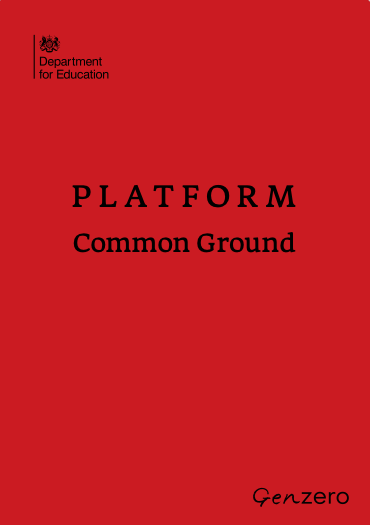
Developed with the Department for Education, this publication explores new approaches to low-carbon school design through a format inspired by the classroom exercise book.
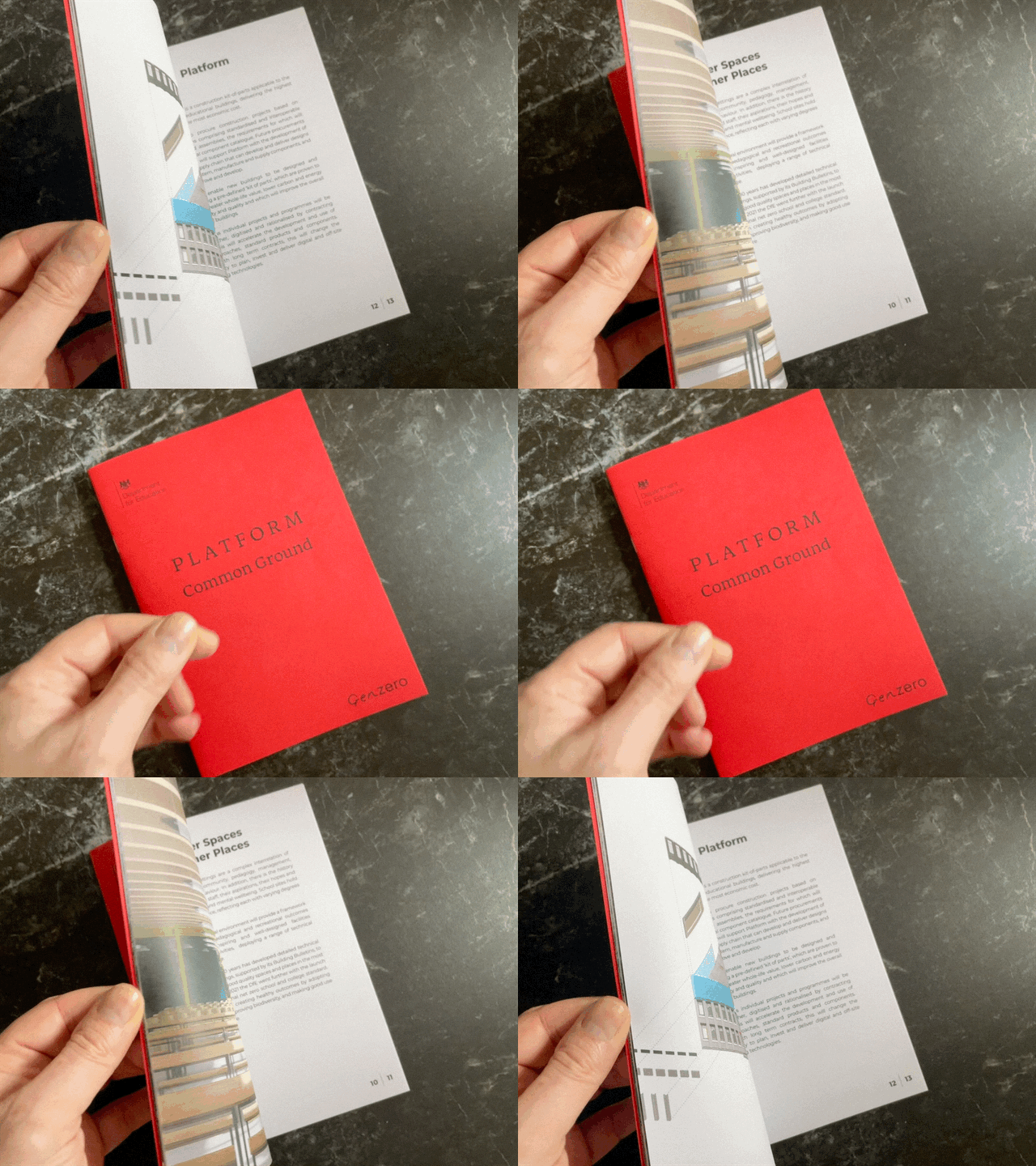
Research projects often live behind drawings, reports and technical discussions. With GenZero, we wanted to create something more accessible – a publication capable of communicating the project’s ideas in a format that felt clear, tactile and rooted in education itself.
Developed in collaboration with the Department for Education, GenZero explores approaches to ultra low-carbon secondary school design through a flexible kit-of-parts system focused on adaptability, wellbeing and long-term sustainability.
The printed booklet became an important part of that process. Inspired by the familiarity of traditional school exercise books, it was designed to reflect the project’s educational focus while presenting complex ideas in a more approachable and engaging format.
Designing for future learning environments
At the centre of GenZero is the idea that school buildings should be capable of adapting over time – responding to changing educational needs while significantly reducing environmental impact.
The research explores how modular construction, lightweight timber structures and passive environmental principles can support more sustainable learning environments without compromising flexibility, usability or quality of space.
Biophilic thinking also played an important role throughout the project, shaping spaces designed to improve wellbeing, connection to landscape and the everyday experience of students and staff.
From ideas to something tangible
While much of the discussion around sustainability focuses on targets, systems and performance metrics, GenZero also raised questions about how architectural research is communicated more widely.
The booklet became a way of translating research into something physical and accessible – allowing ideas to move beyond technical documents and into a format that could be shared, handled and understood more intuitively.
Since its development, the project has received recognition including Sustainable Project of the Year from Graphisoft, reflecting the wider industry interest in new approaches to low-carbon educational design.
GenZero continues to inform ongoing conversations around school design, sustainability and the future of learning environments.
Written by Neil Young.