
LBY Expertise
Research & Development
Our research and development work helps clients and partners de-risk decisions, unlock funding opportunities and shape new approaches to complex challenges – particularly across education, public sector and government-backed initiatives.

Drawing on extensive involvement in high-profile, funded programmes, we develop and test new methods, materials and systems – ensuring innovation is both practical and deliverable.
Our approach to R&D goes beyond conventional architectural boundaries. It's not just about selecting new materials; it's about embedding innovation deeply into every aspect of building design.
We work across every scale – from understanding user needs and site context through to testing construction methods and technical detail. Our process is deliberately flexible, allowing new ideas to be explored as they emerge, while remaining focused on delivering workable, real-world outcomes.
This balance of exploration and rigour allows us to move ideas forward with confidence – not just conceptually, but in application.
Our research and development work is typically focused around six core areas:
Design for Manufacture (DfMA)
Low Carbon Design
Biophilic Design
Standardisation
Timber Construction
Post-Occupancy Evaluation
Each area represents a different way in which innovation can be embedded into the design, delivery and long-term performance of buildings.
Design for Manufacture (DfMA)
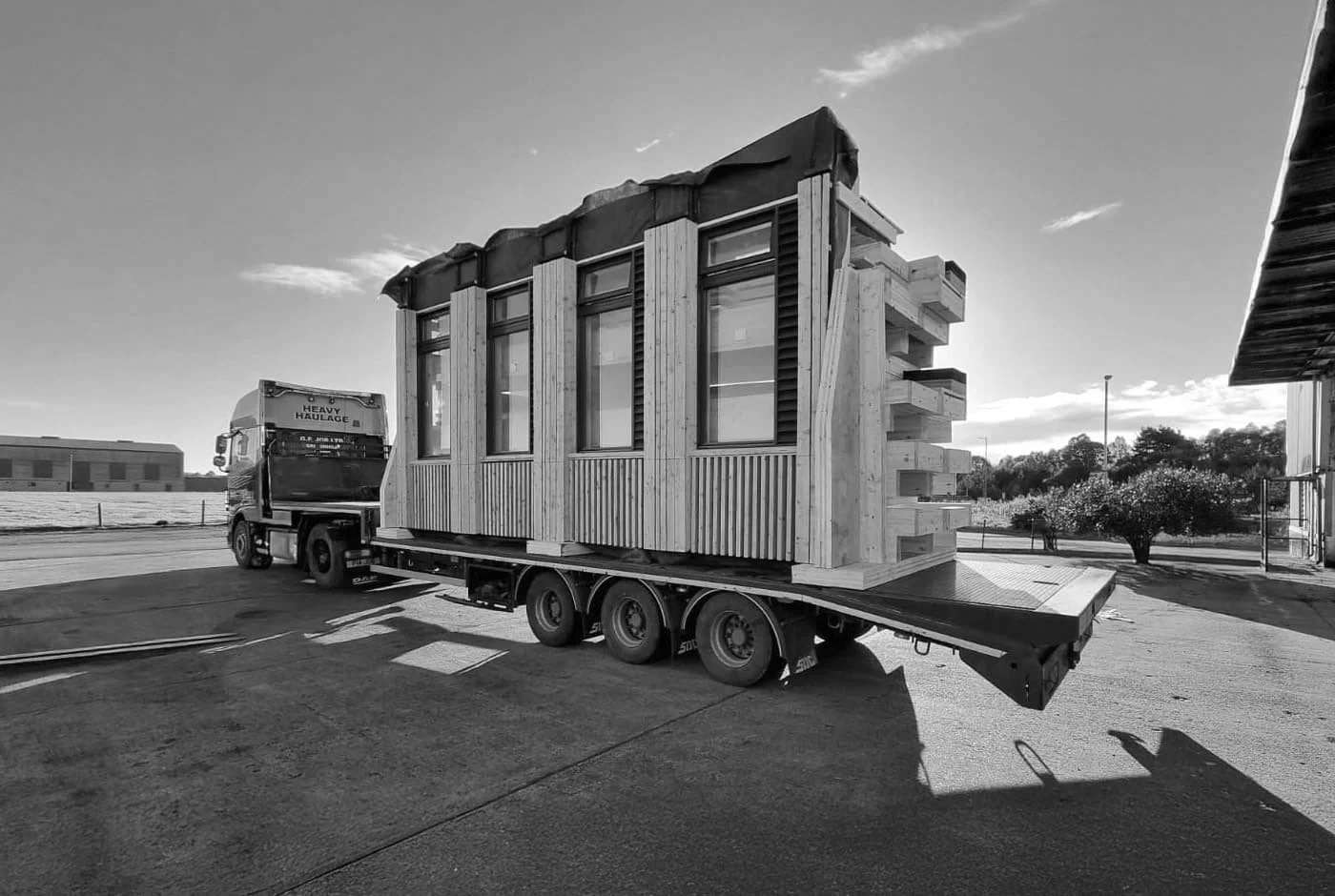
DfMA reduces waste, improves efficiency and enhances quality by aligning design with manufacturing and assembly processes.
We apply this thinking across volumetric modular, panellised and component-based construction – ensuring buildings are designed for how they are actually made.
Research & Development
Related Project:
Education Sandpit
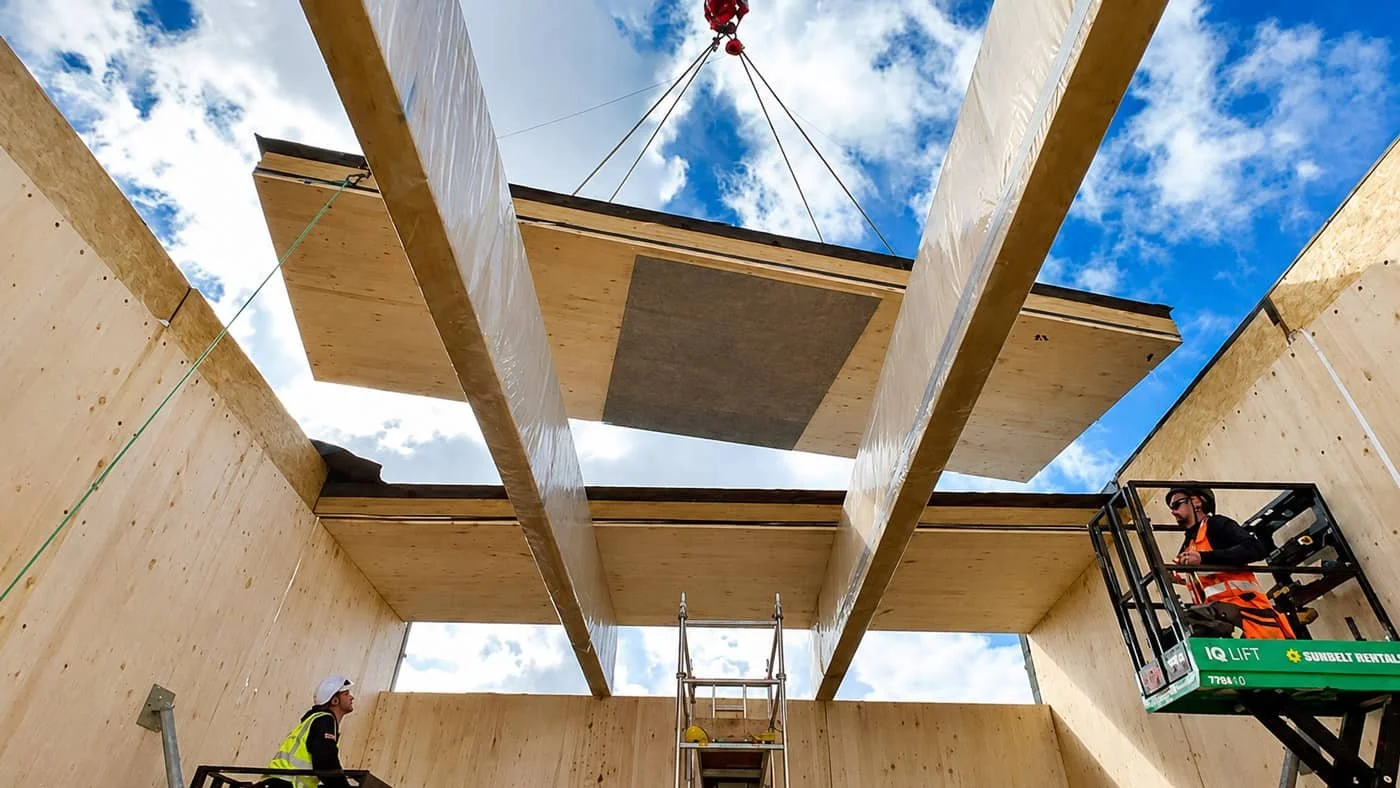
At Coventry’s Manufacturing Technology Centre, we combined a timber-panelled activity hall with volumetric modular service and circulation areas. This demonstrated how factory-manufactured components from different suppliers can be integrated to maximise efficiency and quality.
Low Carbon Design
Our approach to low carbon design is rooted in practical, fabric-first principles, combining lean construction methods with carefully considered material and energy strategies.
We focus on reducing carbon across the full lifecycle of a building – from construction through to long-term use, backed by a deep understanding of user behaviour and needs.
Research & Development
Related Project:
COP26 Prototype Classroom
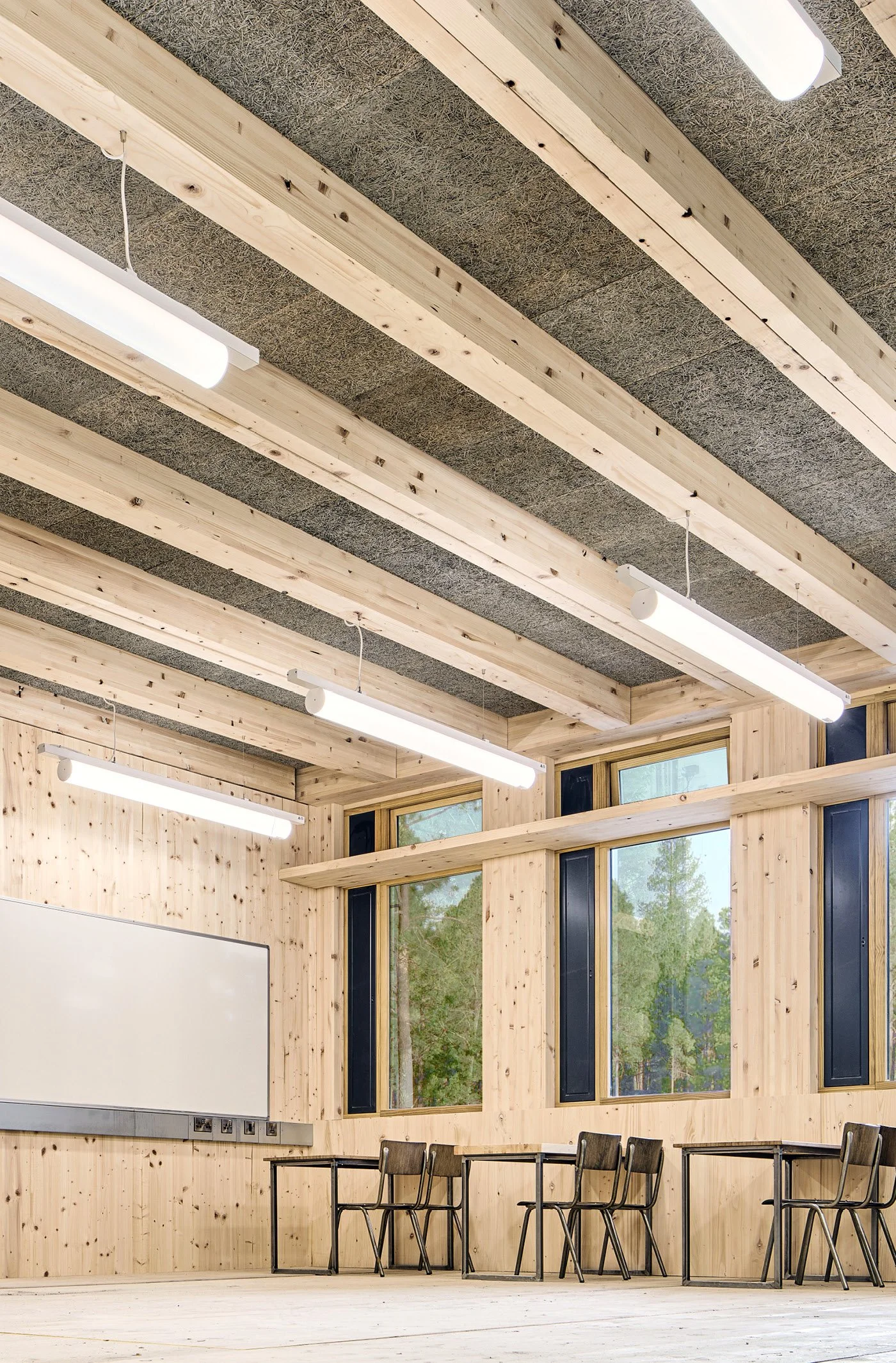
Developed with the Department for Education, our prototype classroom uses a bespoke timber-based panellised system to achieve an ultra-low carbon footprint, significantly reducing material use compared to traditional CLT construction.
Biophilic Design
Biophilic design is about creating meaningful connections to nature that improve wellbeing, performance and experience.
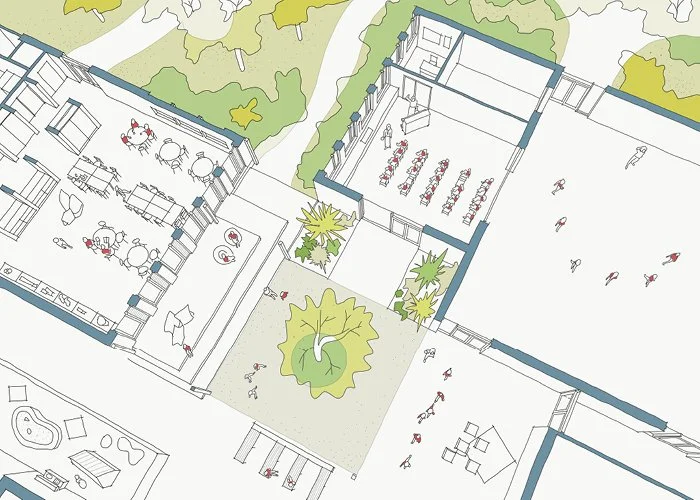
We integrate natural materials, spatial relationships and landscape strategies to strengthen the relationship between buildings and their environment, carefully embedding buildings within protective landscapes, and maximising visual connections to nature from within.
Research & Development
Related Project:
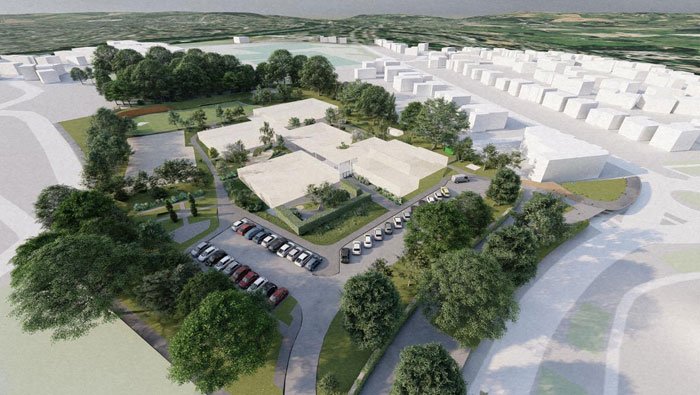
St Mary’s Biophilic Primary School
This concept design established new benchmarks for biophilic education environments, directly informing the Department for Education’s design brief and demonstrating measurable benefits for users.
Standardisation
Effective standardisation simplifies construction, improves quality and reduces waste – without compromising flexibility.
Our work combines detailed user understanding with practical manufacturing insight to create adaptable, repeatable solutions.
Research & Development
Related Project:
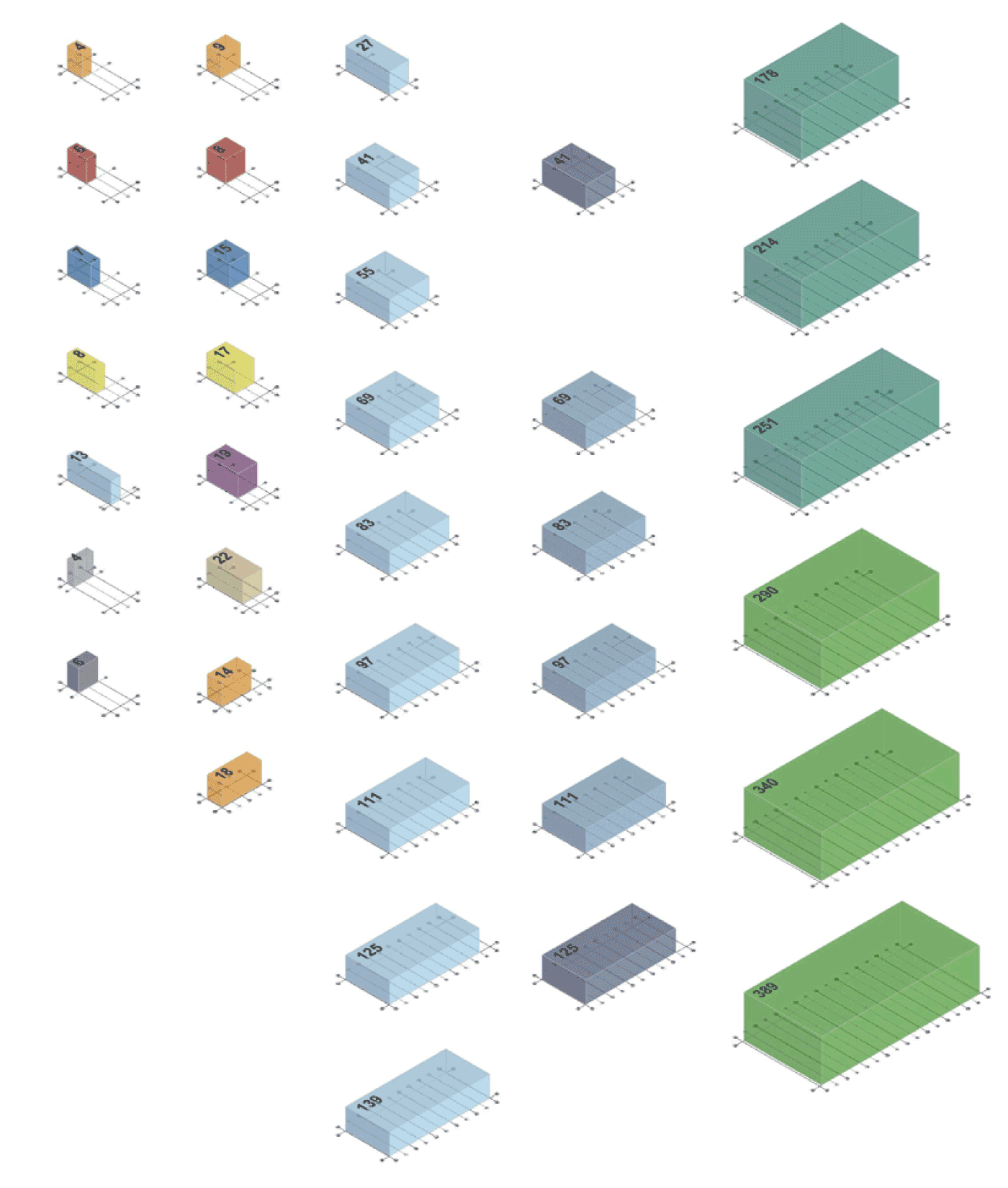
DfE NetZero Schoolhaus
Through collaboration with the Department for Education, we developed standardised space guidelines used across schools in England and Wales.
For NetZero Buildings in Cambridge, we refined their Schoolhaus system into repeatable components, improving efficiency, reducing cost and enhancing quality.
Timber Construction
Timber offers significant opportunities for both sustainability and construction innovation.
We explore advanced timber systems that reduce reliance on carbon-intensive materials while improving buildability and performance.
Research & Development
Related Project:
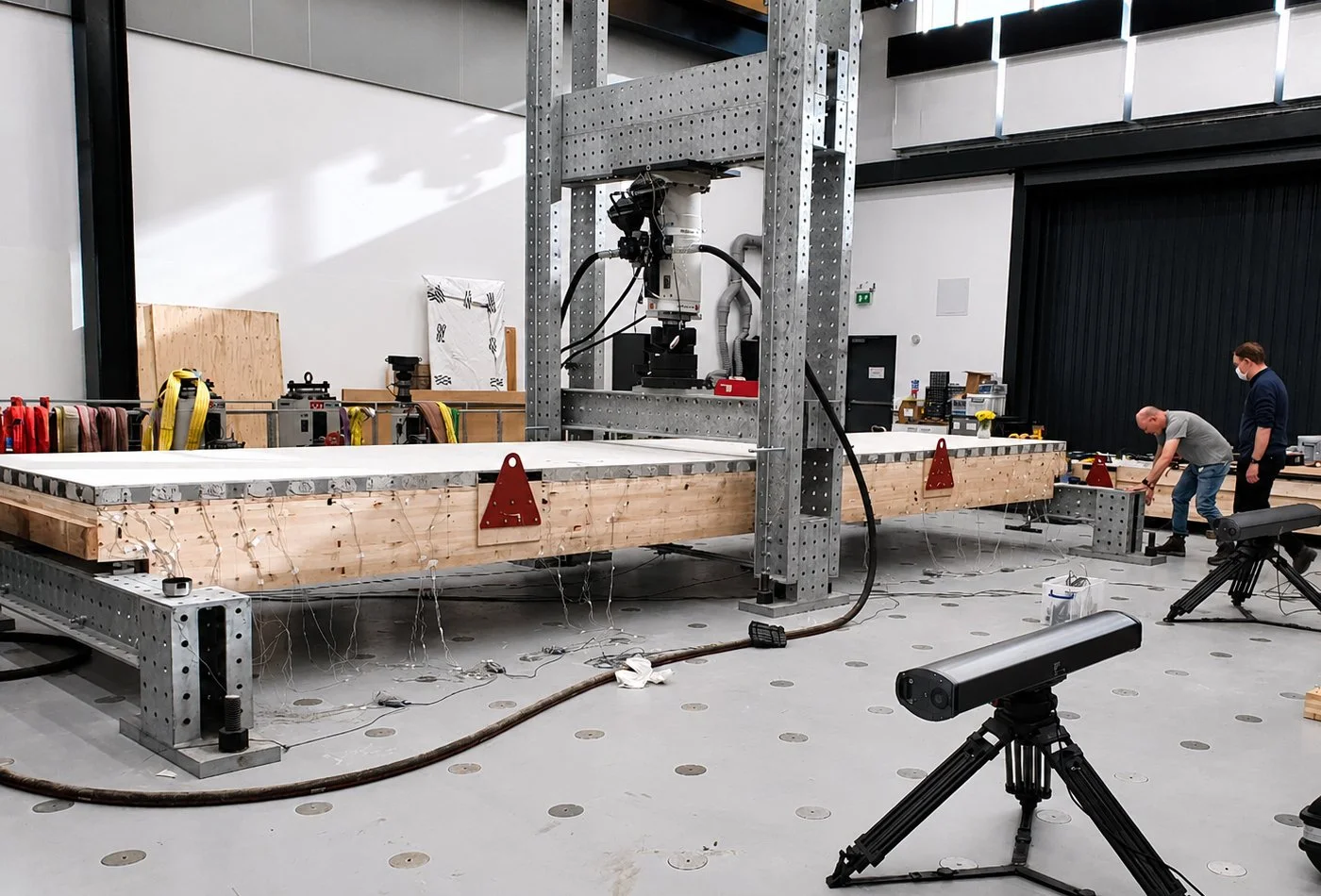
GenZero / Multi-storey Schoolhaus
Our research with the Department for Education included testing timber systems at Cambridge University, helping to develop lean construction approaches.
For NetZero Buildings, we developed a robust timber-panel system capable of supporting multi-storey construction and modern assembly methods.
Post-Occupancy Evaluation
Understanding how buildings perform in use is critical to meaningful innovation.
Our post-occupancy work provides detailed insight into user experience, building performance and long-term outcomes.
Research & Development
Related Project:
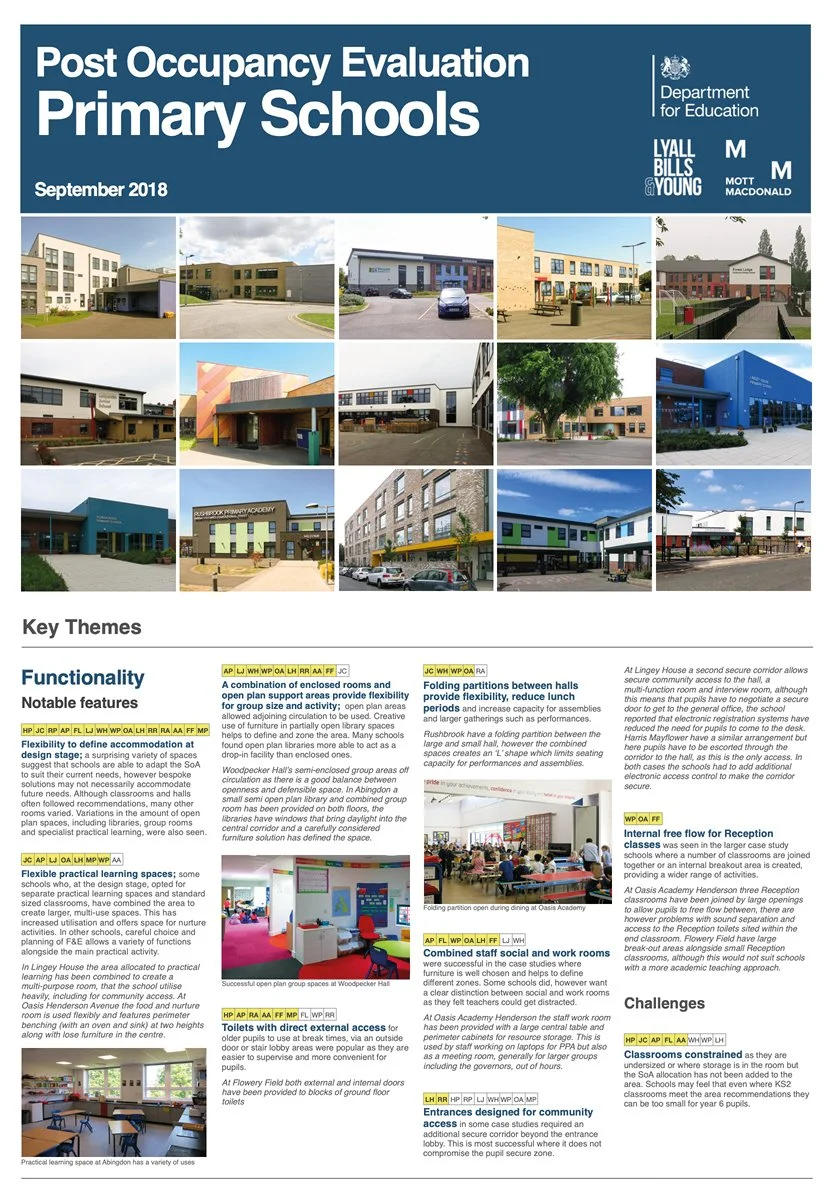
Department for Education
We carried out evaluation studies across more than 75 schools nationwide, leading to the development of the Department’s Building Performance Evaluation template – now used as a standard across educational projects.
Research & Development
Good ideas are not enough on their own. Through research and development, we test, refine and apply new thinking – ensuring innovation leads to buildings that perform in practice.