
LBY Expertise
Sustainability
We take a holistic approach to sustainability, weaving it into every aspect of our work – from material selection to long-term building performance.

Our focus is on creating spaces that are functional, adaptable and enduring, balancing environmental responsibility with usability and value.
Sustainability is not just about reducing carbon emissions. It is about creating buildings that are efficient, resilient and capable of adapting over time.
Our approach centres on making intelligent, practical decisions – combining lean design, material efficiency and long-term thinking to minimise impact while maximising performance.
Sustainability
Generous Yet Efficient
Sustainable design should use as little resource as possible for maximum effect, encompassing lean, low-carbon construction and efficient building performance.
Related Projects:
GenZero & Pudding Mill Pump Station

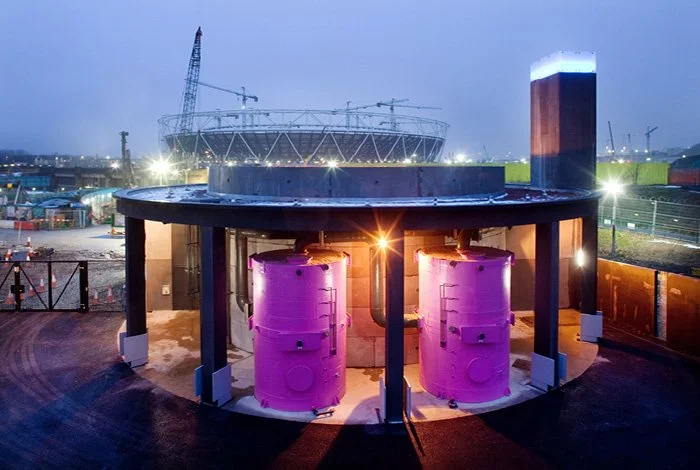
At Pudding Mill Pump Station, the circular form of the building allowed it to be constructed directly from the stabilising ring below, eliminating the need for separate foundations and significantly reducing material use.
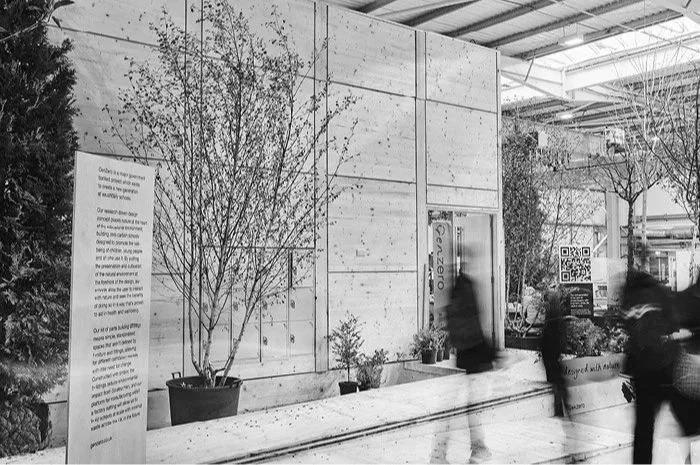
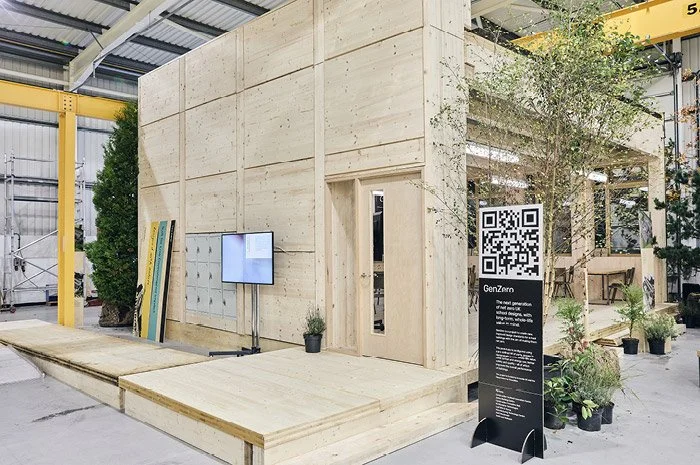
For GenZero, we developed a spine wall component that allows significantly higher levels of standardisation in servicing and building layout. This concept has now been adopted for all new Department for Education funded schools in England and Wales and will have a generational impact on school design.
Sustainability
Biophilic Design
We believe that meaningful connections to nature should be fundamental to sustainable design, supporting wellbeing and long-term performance.
We are pioneers in Biophilic design and are working at the cutting edge of this exciting new development in architecture and landscape design.
Related Project:
St Mary’s Biophilic Primary School
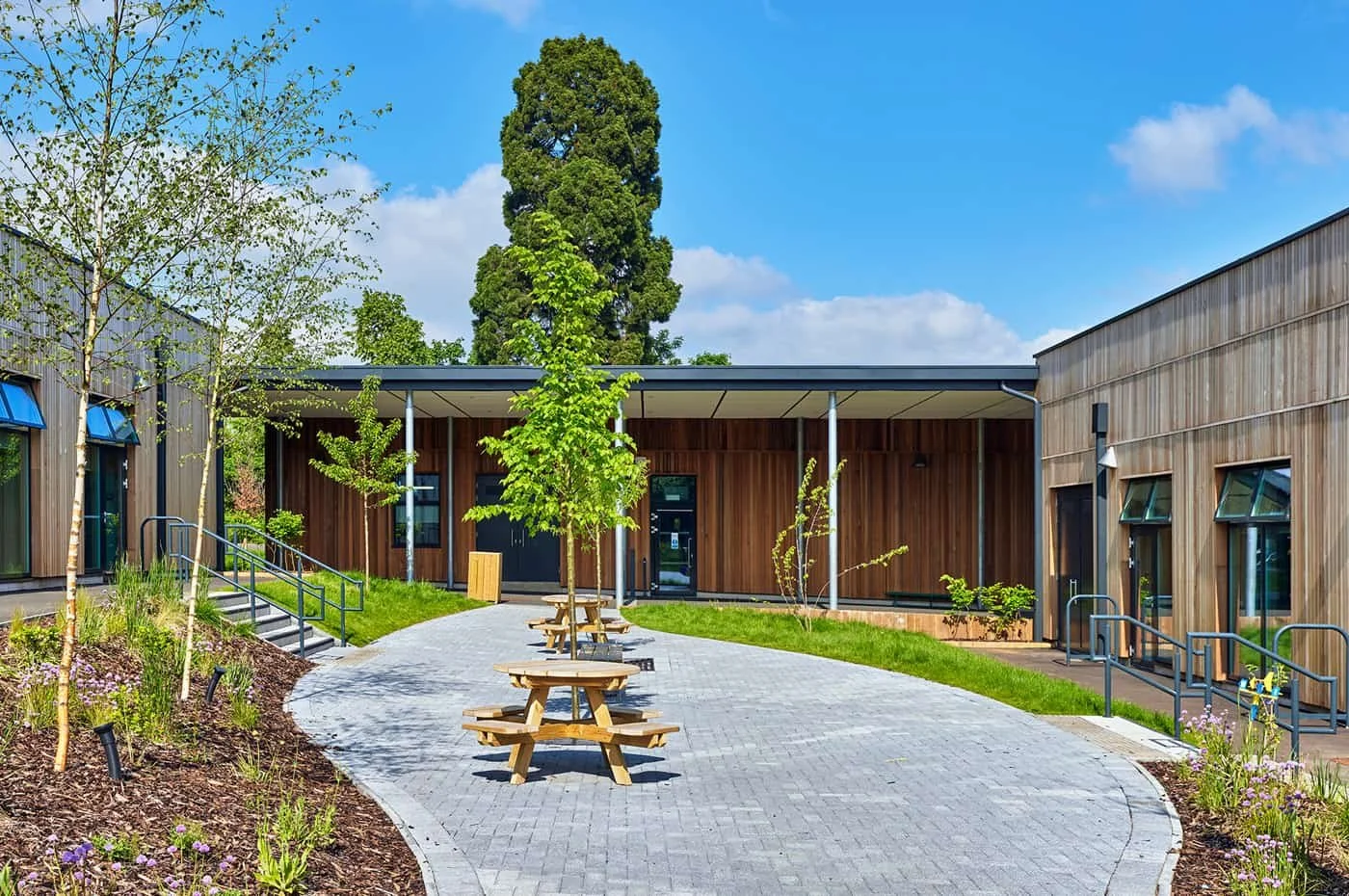
Our groundbreaking concept designs for the UKs first Biophilic primary school in Derby helped shape the Department for Education’s biophilic brief, embedding buildings within a landscape that supports outdoor learning and visual connections to nature.
Sustainability
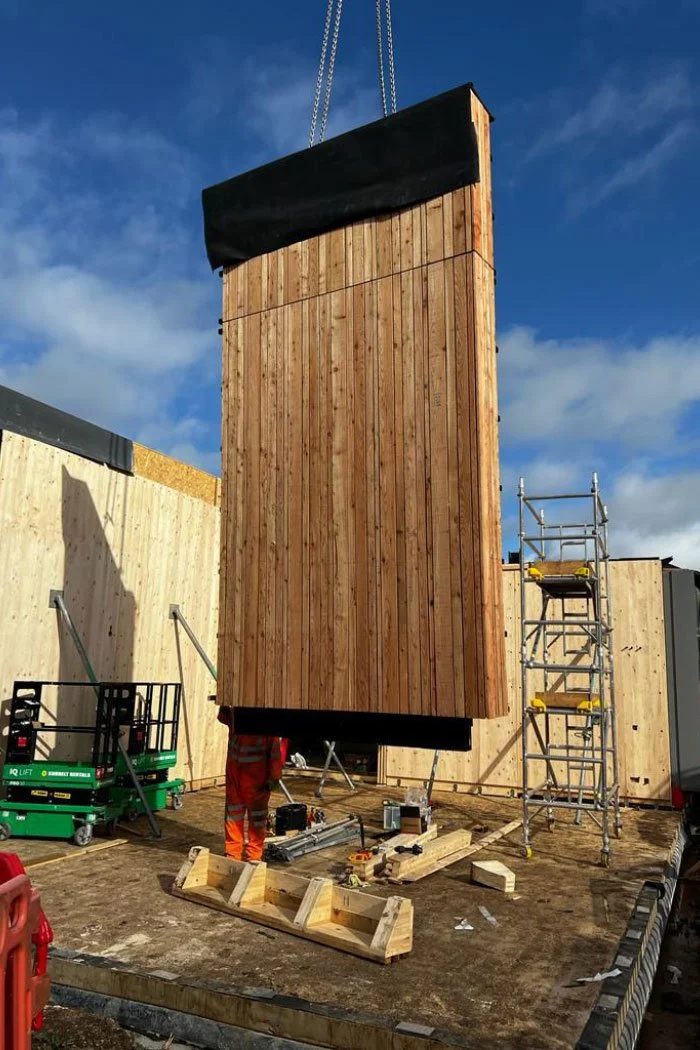
Designed for Manufacture (DfMA)
We maximise the benefits of off-site manufacturing to improve efficiency, reduce waste and enhance build quality. We are experts in panelised and volumetric component systems and have a deep technical understanding of the factory processes of leading manufacturers.
Related Project:
Education Sandpit / Schoolhaus
Our Education Sandpit project in Coventry tested advanced off-site construction technologies, demonstrating how technologies, different component systems can be integrated.
Working with NetZero Buildings, we developed a new panellised system for their multi-storey Schoolhaus, helping them win first place on the Department for Education’s Modular Framework.
Sustainability
Circular Design
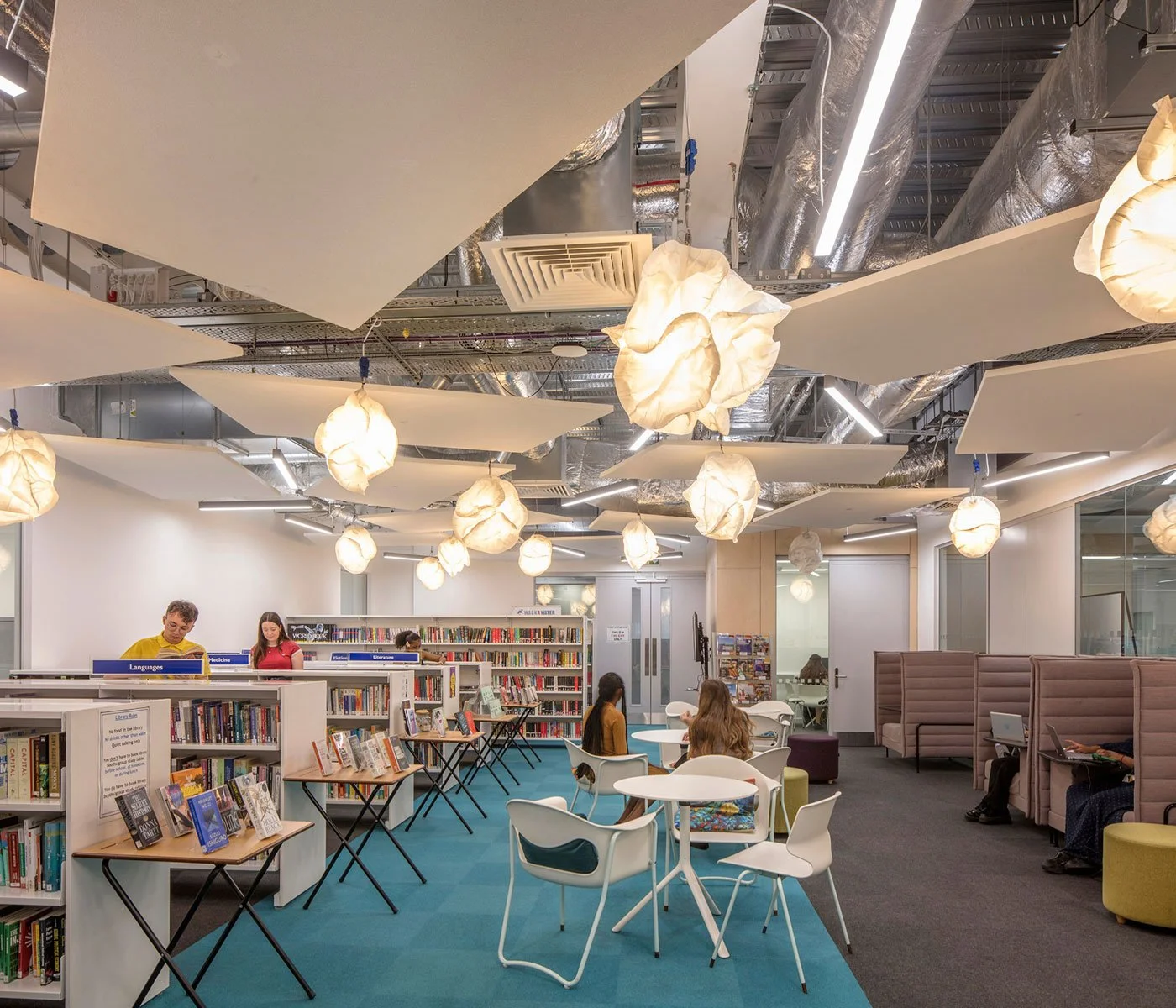
We prioritise reuse, adaptability and reduced waste and design for disassembly in both new-build and retrofit projects and look for opportunities to adapt and re-use existing buildings, components, and materials wherever possible.
Related Project:
London Academy of Excellence
For LAE Tottenham, we worked closely with the client and specialist suppliers to reuse significant elements from the previous fit-out, including floor finishes, partitions, glazing and fittings, reducing both carbon impact and construction cost.
Sustainability
Designed to Last
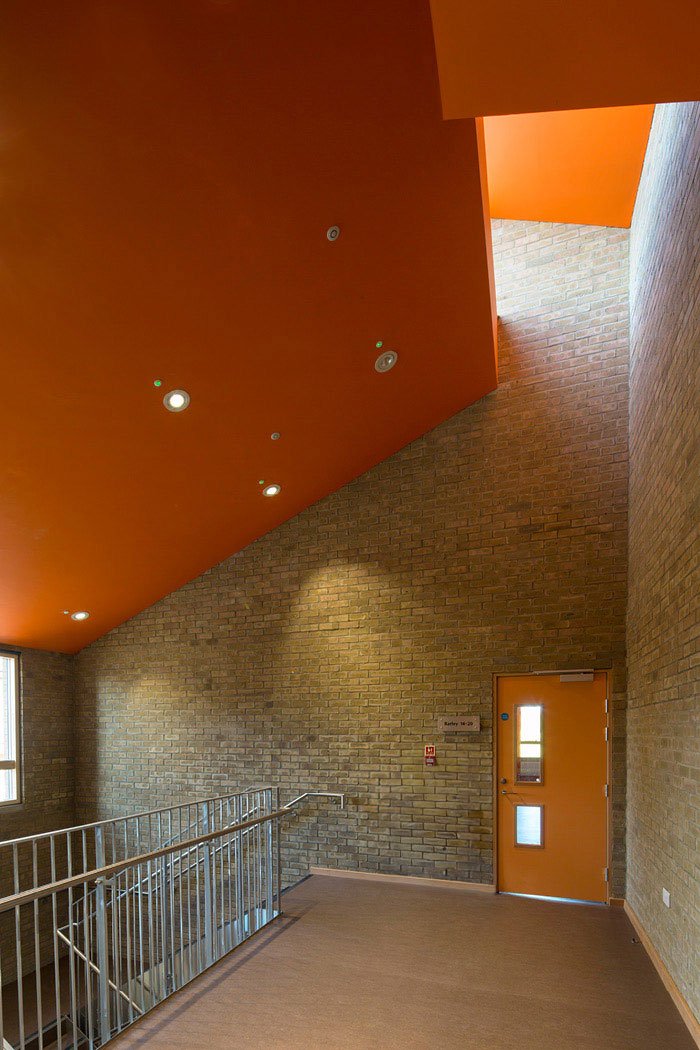
We focus on durability, long-term usability, ensuring buildings remain relevant and attractive over time. Our buildings are comfortable and characterful, so that users are encouraged to keep and adapt them long term, maximising the benefit of the invested carbon.
Related Project:
Moulton College Student Housing
The use of robust, exposed materials combined with adaptable layouts creates spaces that are both durable and flexible, supporting long-term use and reducing the need for replacement or refurbishment.
Sustainability
Adaptation
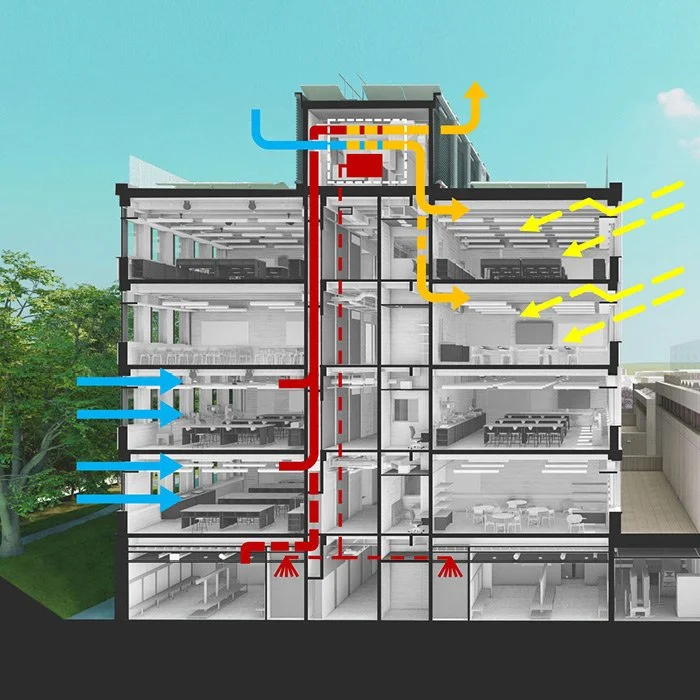
We design buildings to respond to changing patterns of use and future environmental conditions.
Related Project:
DfE Standardised Accomodation
Our work with the Department for Education has helped develop spatial standards that support natural ventilation, flexible servicing strategies and long-term adaptability to climate change and evolving technologies.
Sustainability
Low Carbon,
Whole-Life Thinking
We take a whole-life approach to sustainability, considering both construction and long-term performance, all centred around user needs and behaviour. This relies on the complete breadth of our expertise and our extensive learning from building performance evaluation.
Related Project:
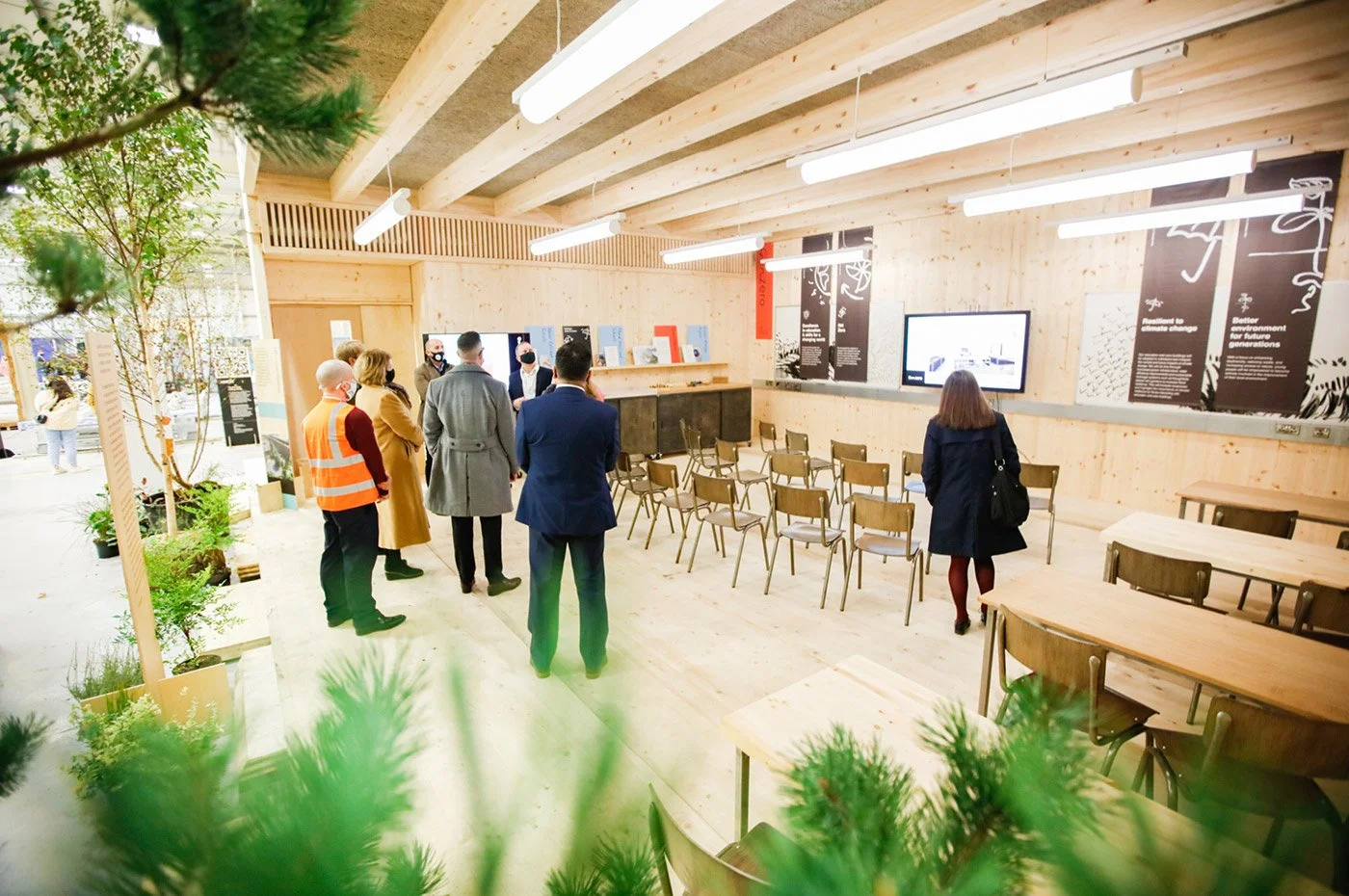
COP26 Prototype Classroom
The prototype classroom developed for COP26 used a highly efficient timber-based system, reducing material use by 35% compared to typical construction while delivering a robust, low-carbon and biophilic environment.
Sustainability
Sustainability is most effective when it is embedded from the outset. Our approach combines environmental responsibility with practical design thinking – creating buildings that perform efficiently and endure over time.