
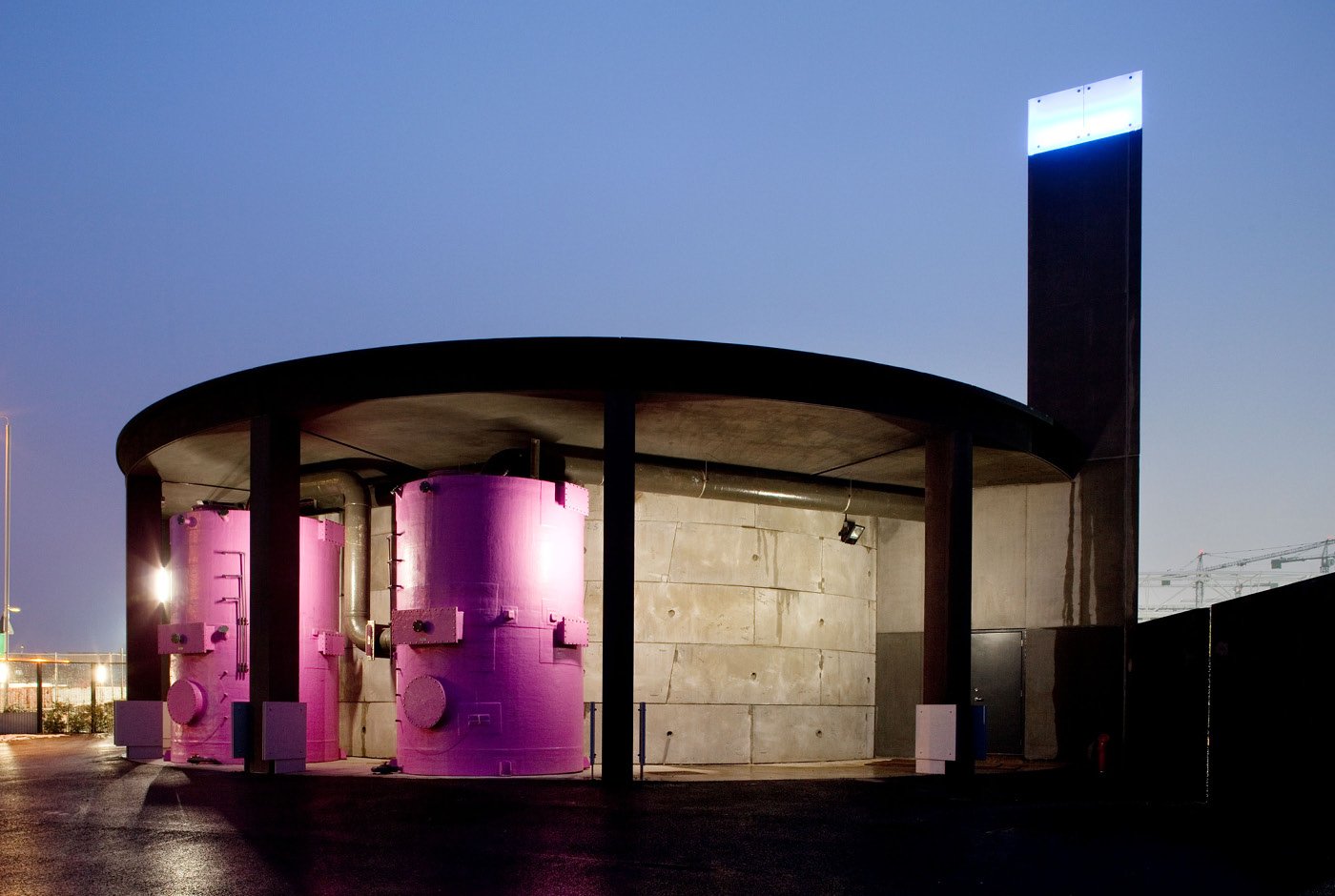
Pudding Mill Pumping Station, London
Sustainable infrastructure meets public art
A bold, circular pumping station designed for London 2012, where form follows function and engineering heritage inspires civic beauty.
Commissioned at the outset of preparations for the London 2012 Olympics, the Pudding Mill Pumping Station was designed to connect the new sewer system of the Queen Elizabeth Olympic Park with the historic Northern Outfall Sewer - a vast Victorian conduit known locally as The Greenway.
LBY Architects, working for Thames Water, took this essential infrastructure brief and turned it into an opportunity to celebrate engineering, heritage, and the public realm.
Material that makes a mark
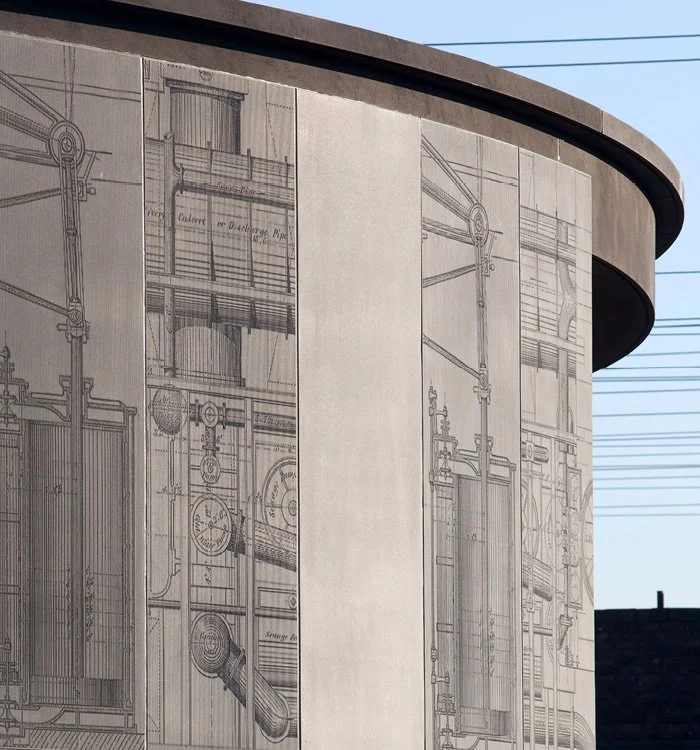
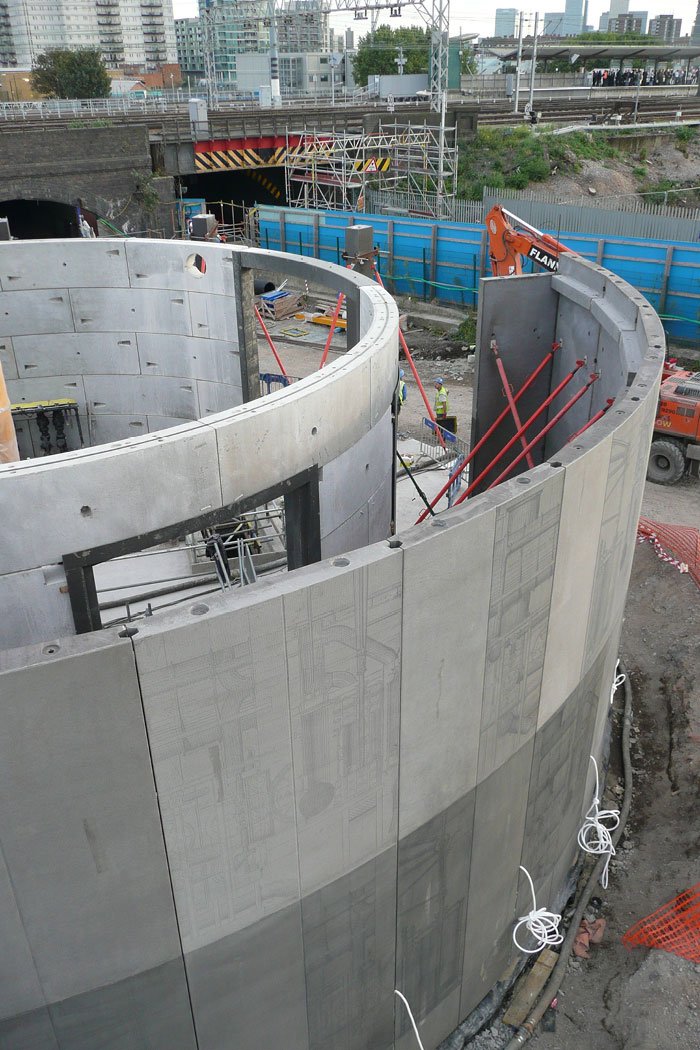
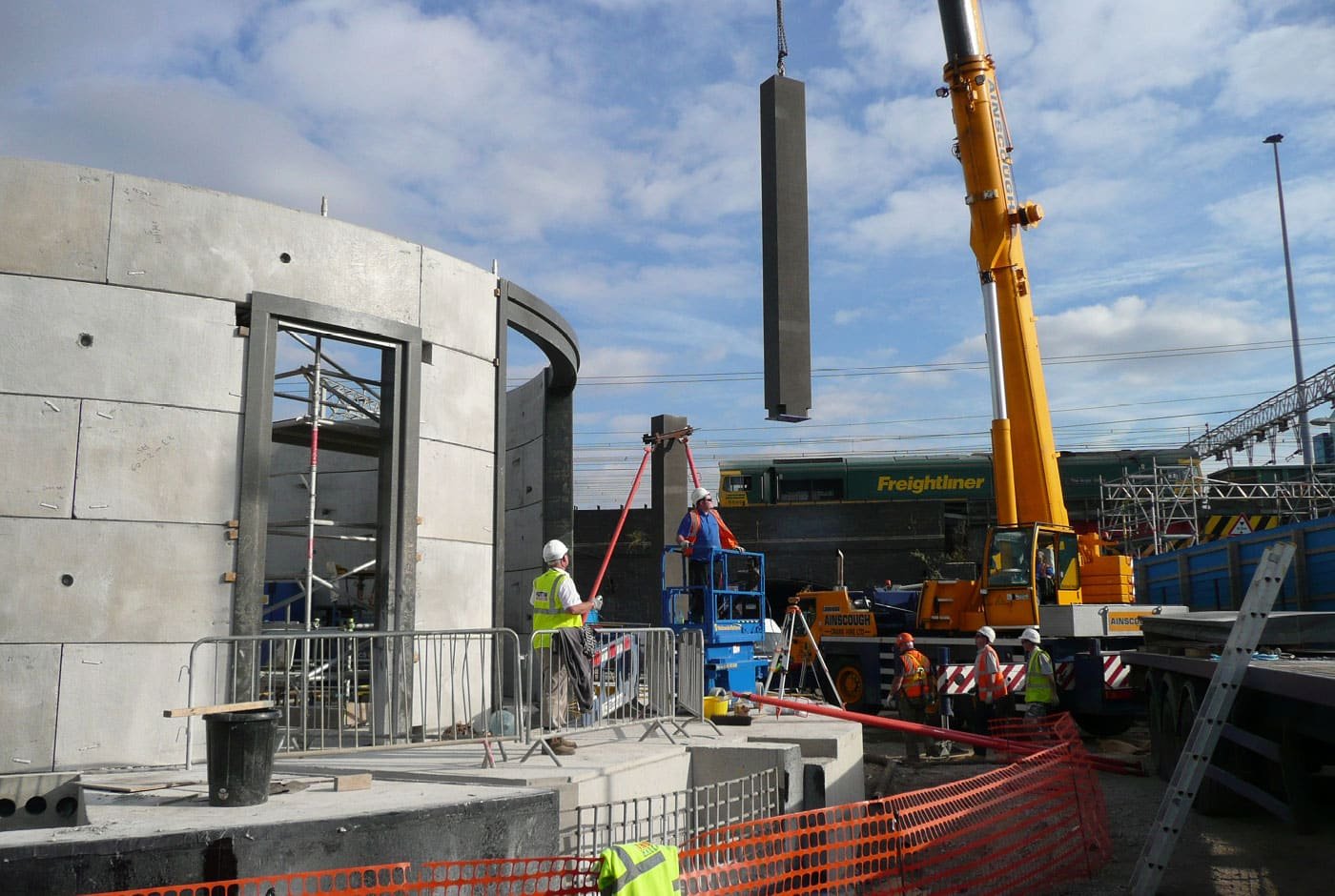
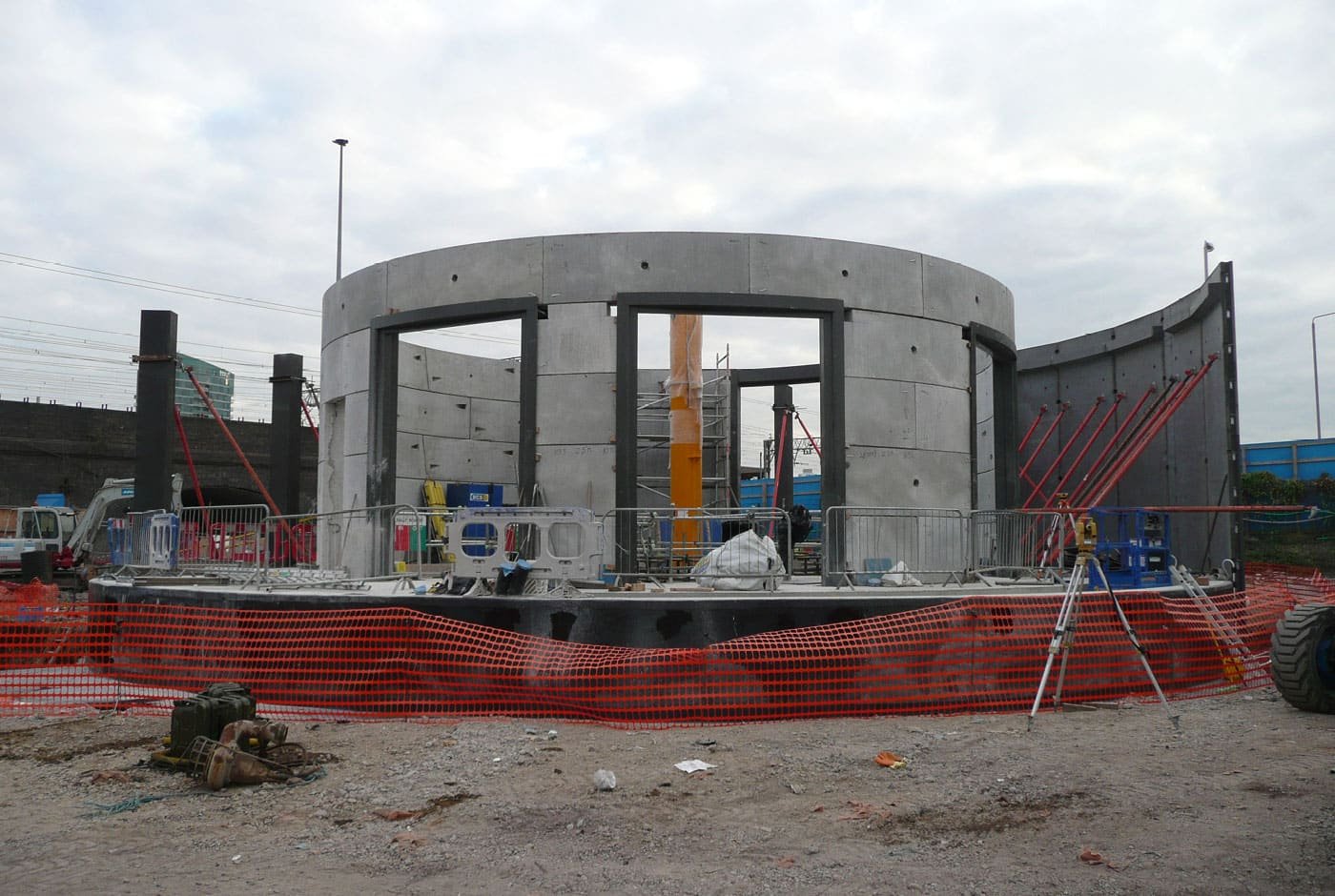
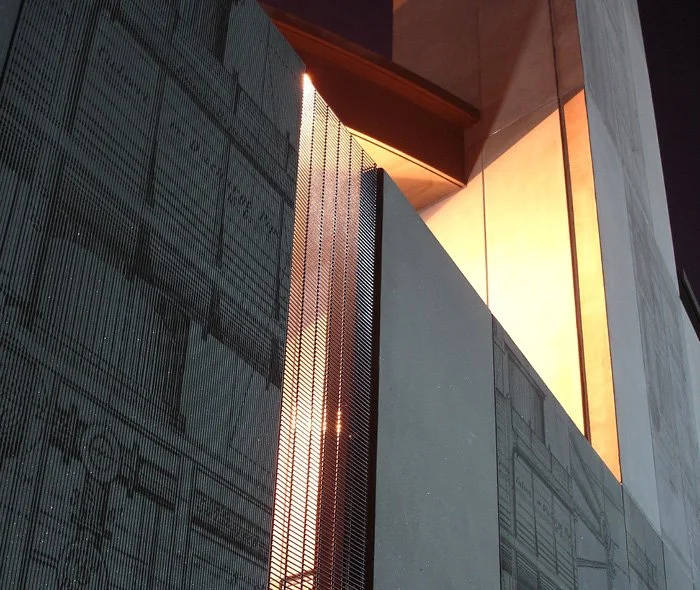
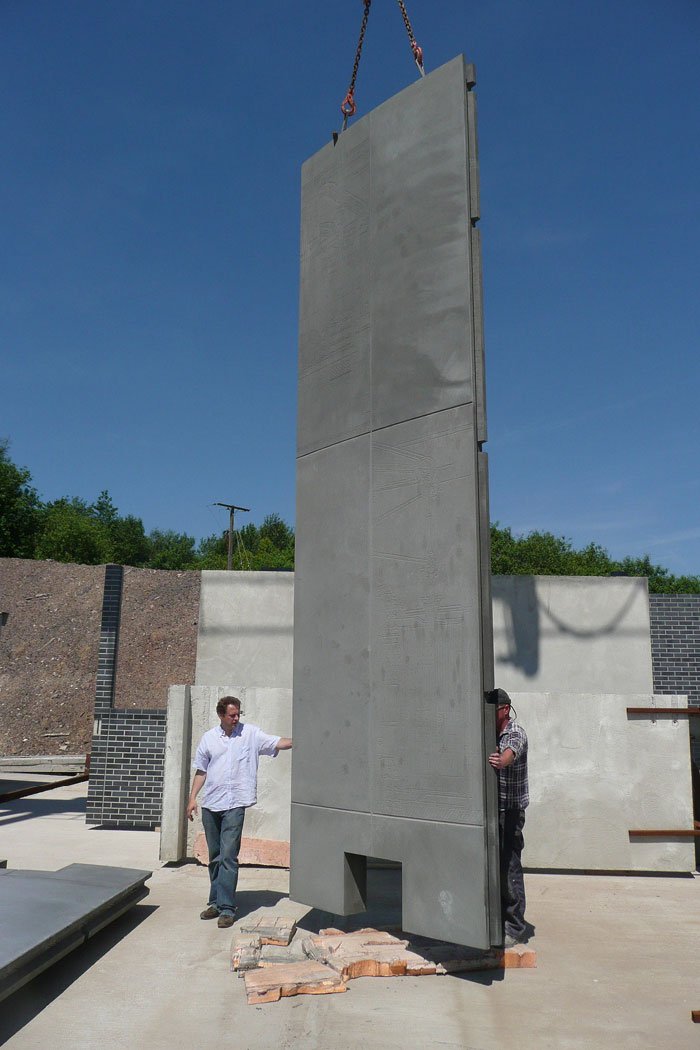
More than 70% of the external envelope is made from bespoke, pigmented pre-cast concrete – combining performance, sustainability, and visual storytelling.
Form Follows Function
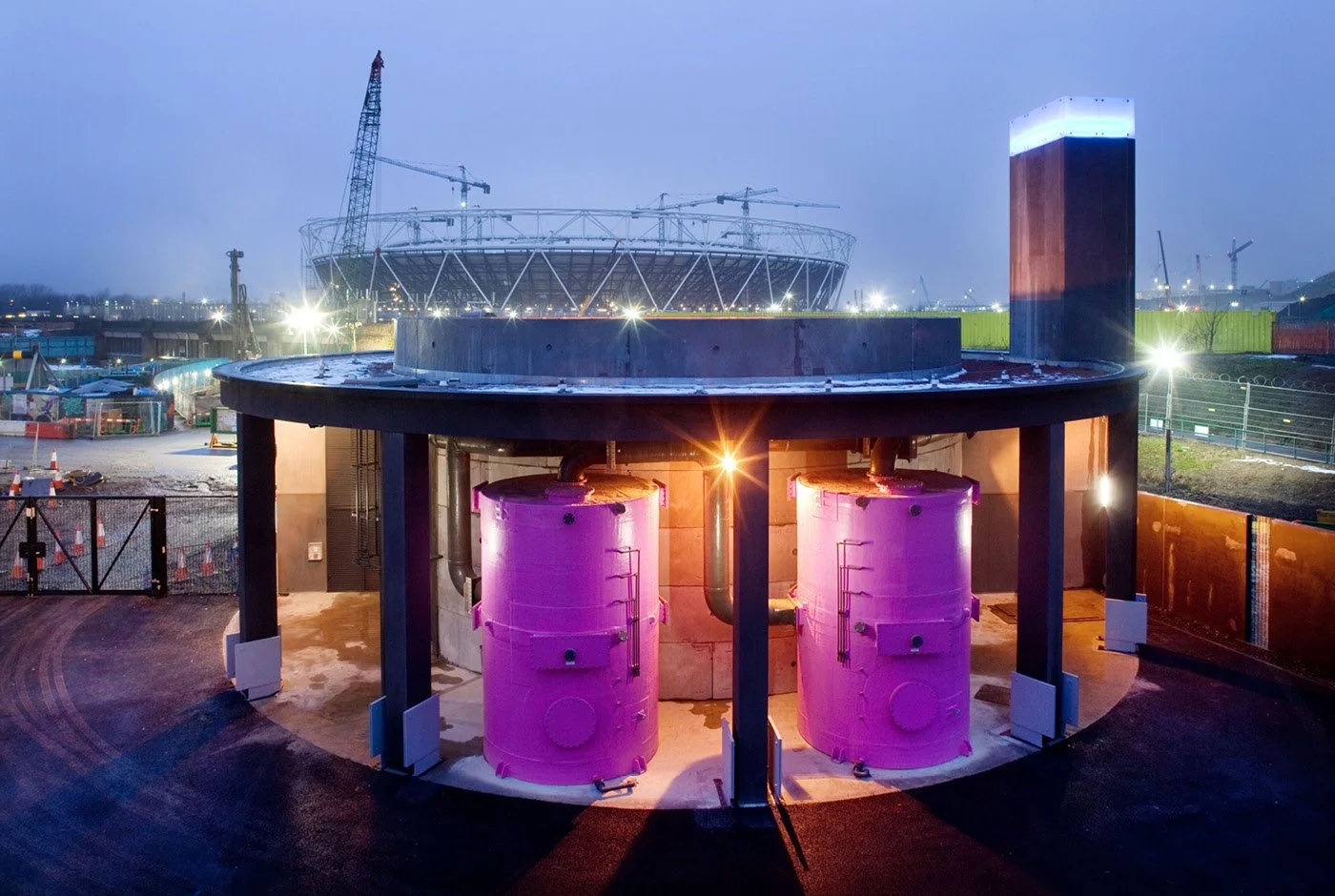
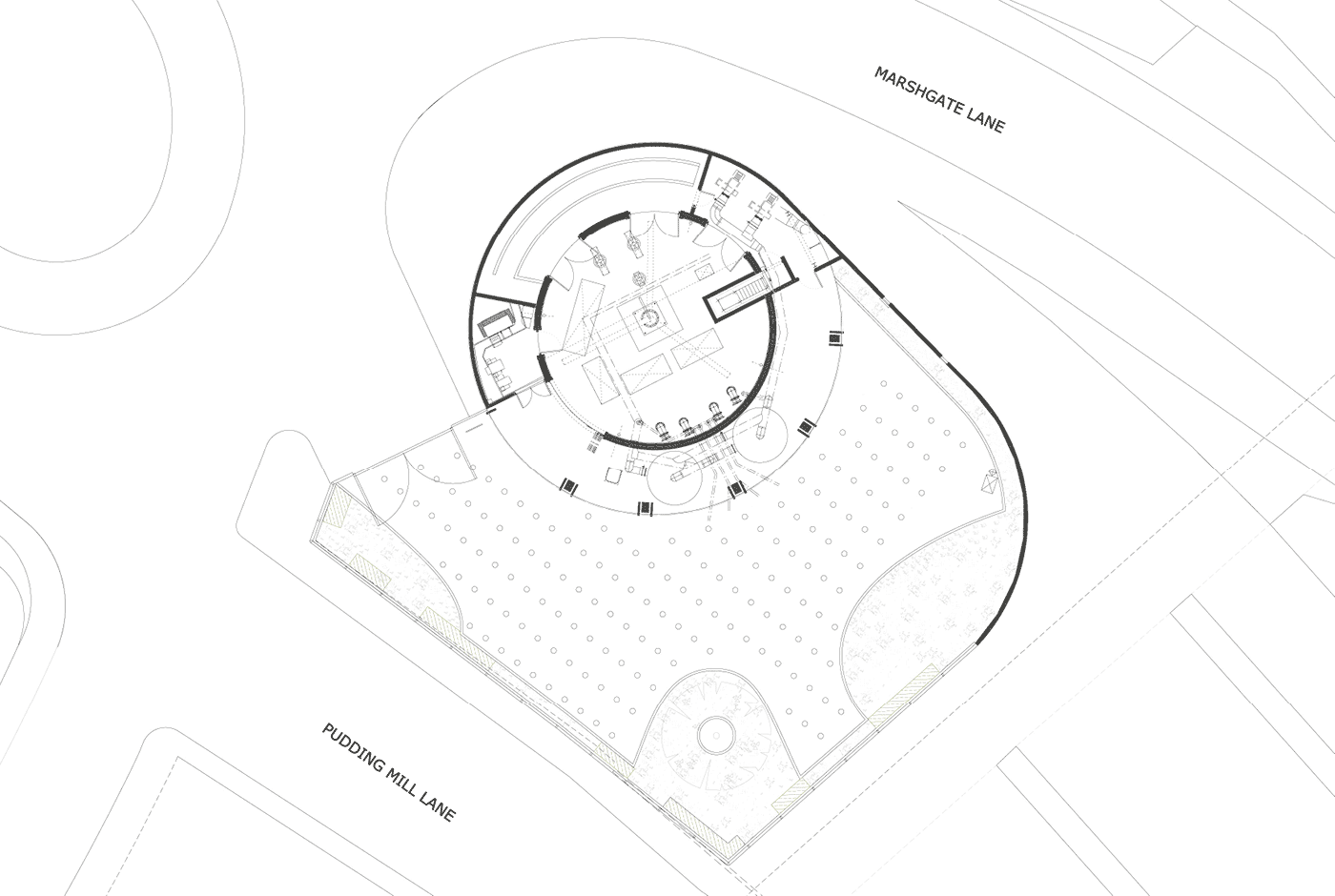
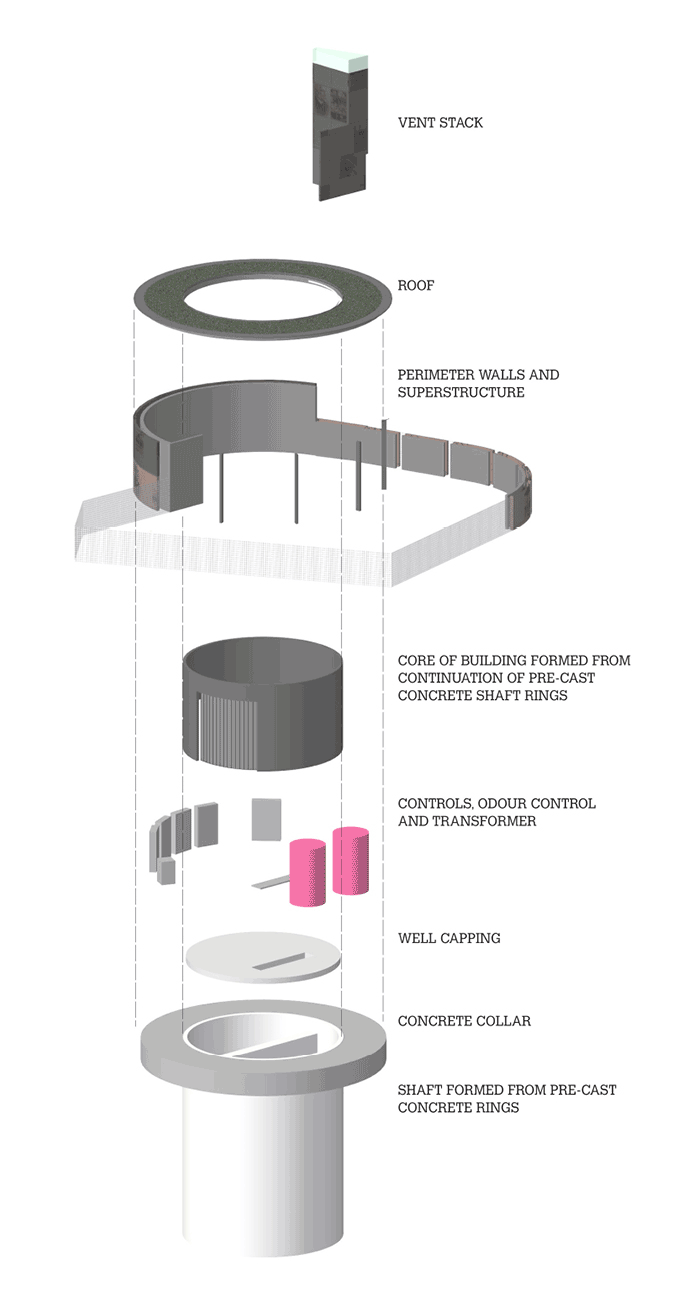
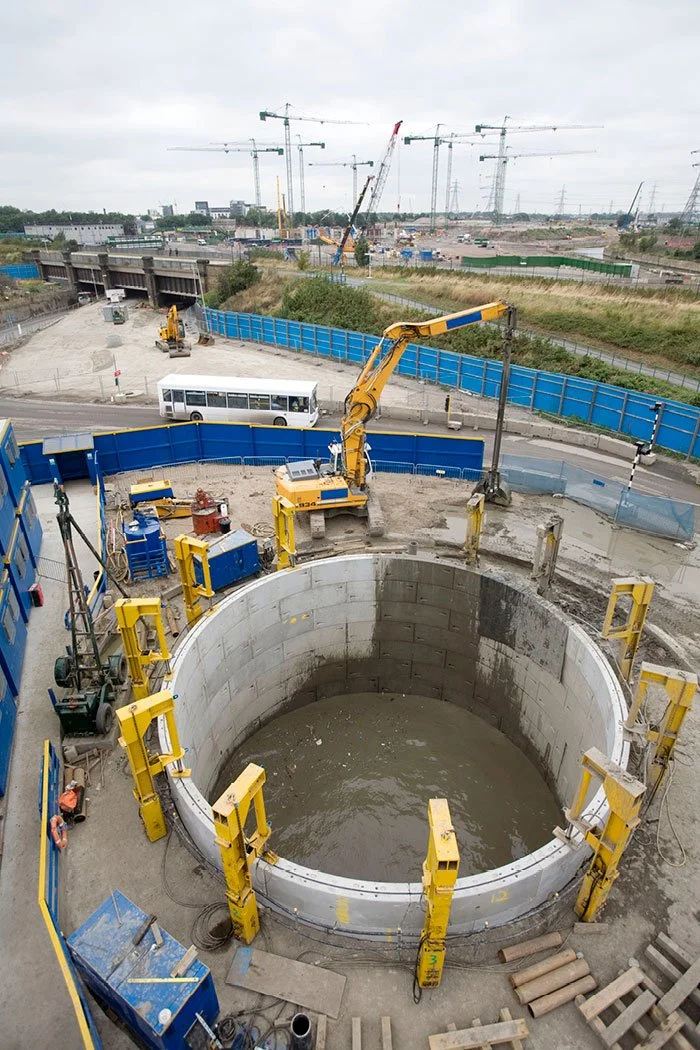
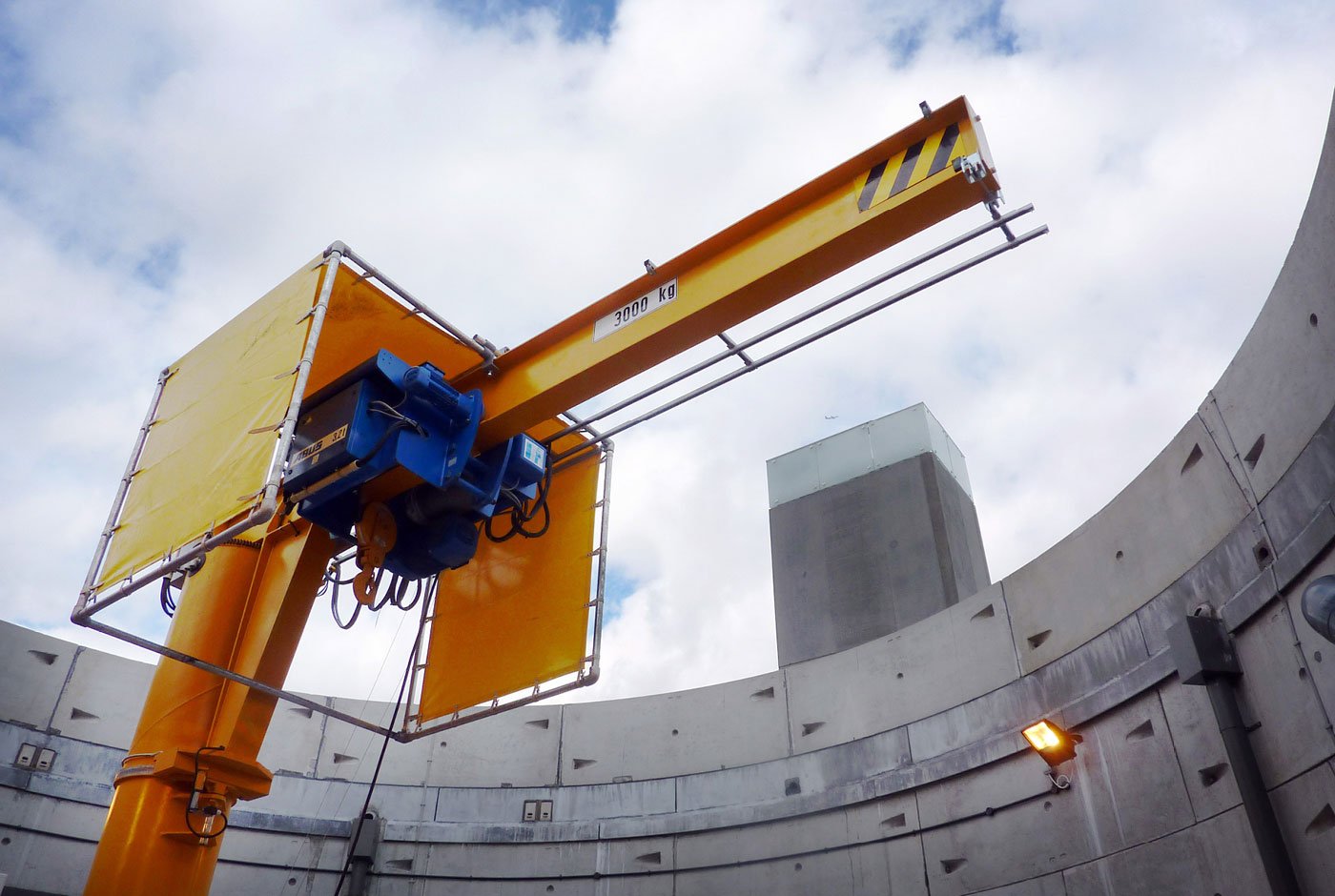
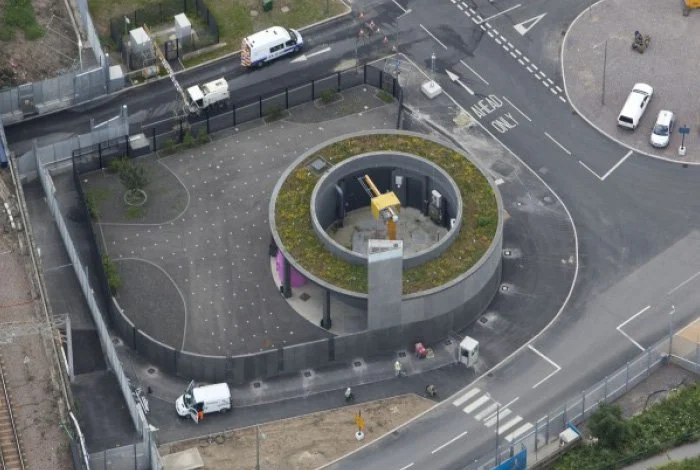
The station’s distinctive circular form is derived directly from its engineering requirements: a deep, below-ground concrete caisson housing wet and dry wells forms the base, with the superstructure above containing operational equipment, odour control tanks, and an electrical substation.
The architecture embraces this functional core, creating a powerful, sculptural profile that emerges cleanly from the landscape.
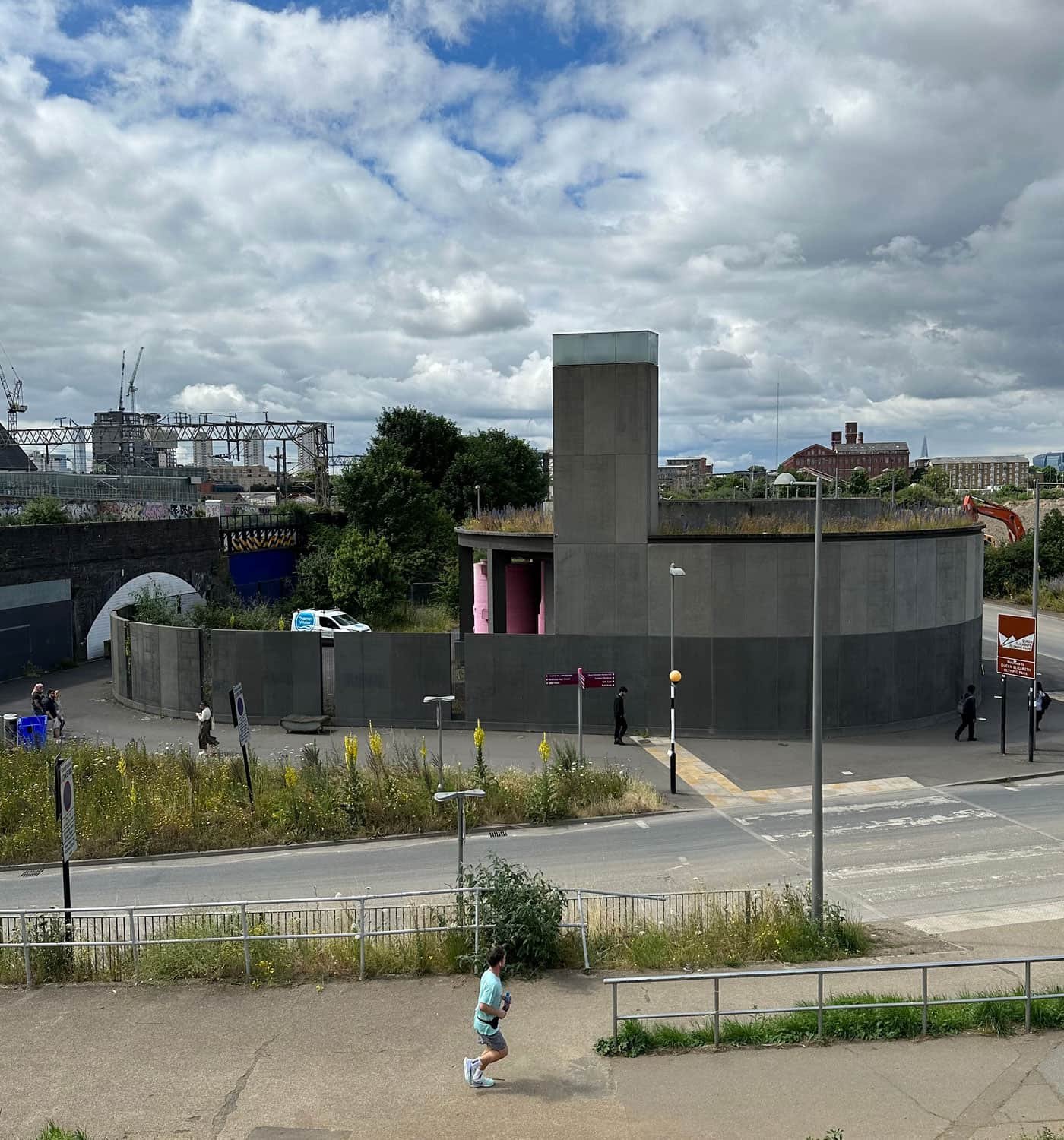
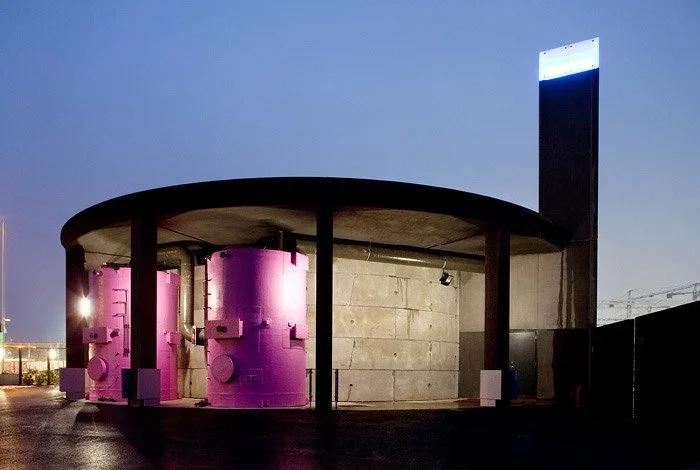
The two tall cylindrical odour control tanks – affectionately nicknamed “Pinky and Perky” during construction, are finished in bold pink, offering an unexpected pop of colour and identity
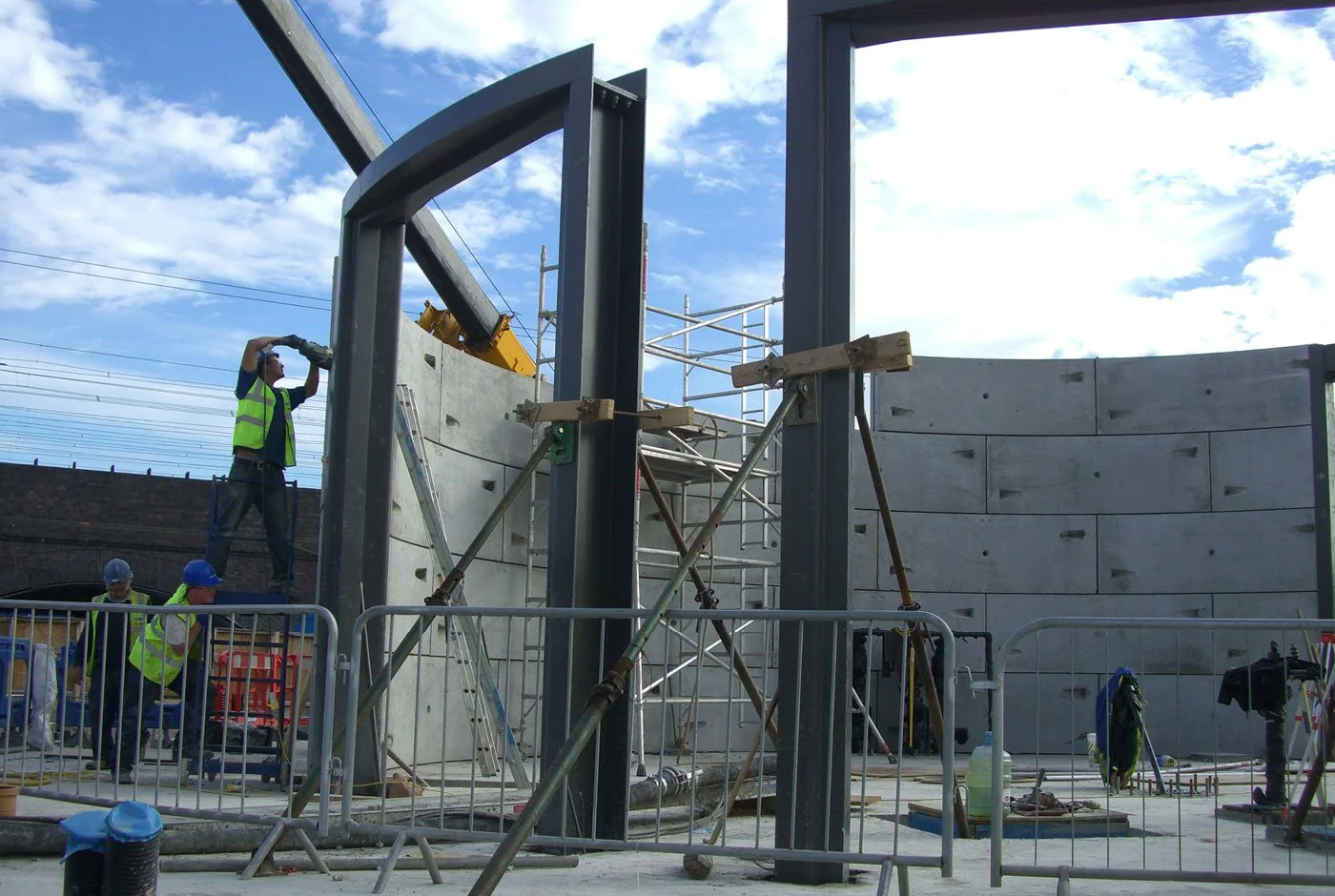
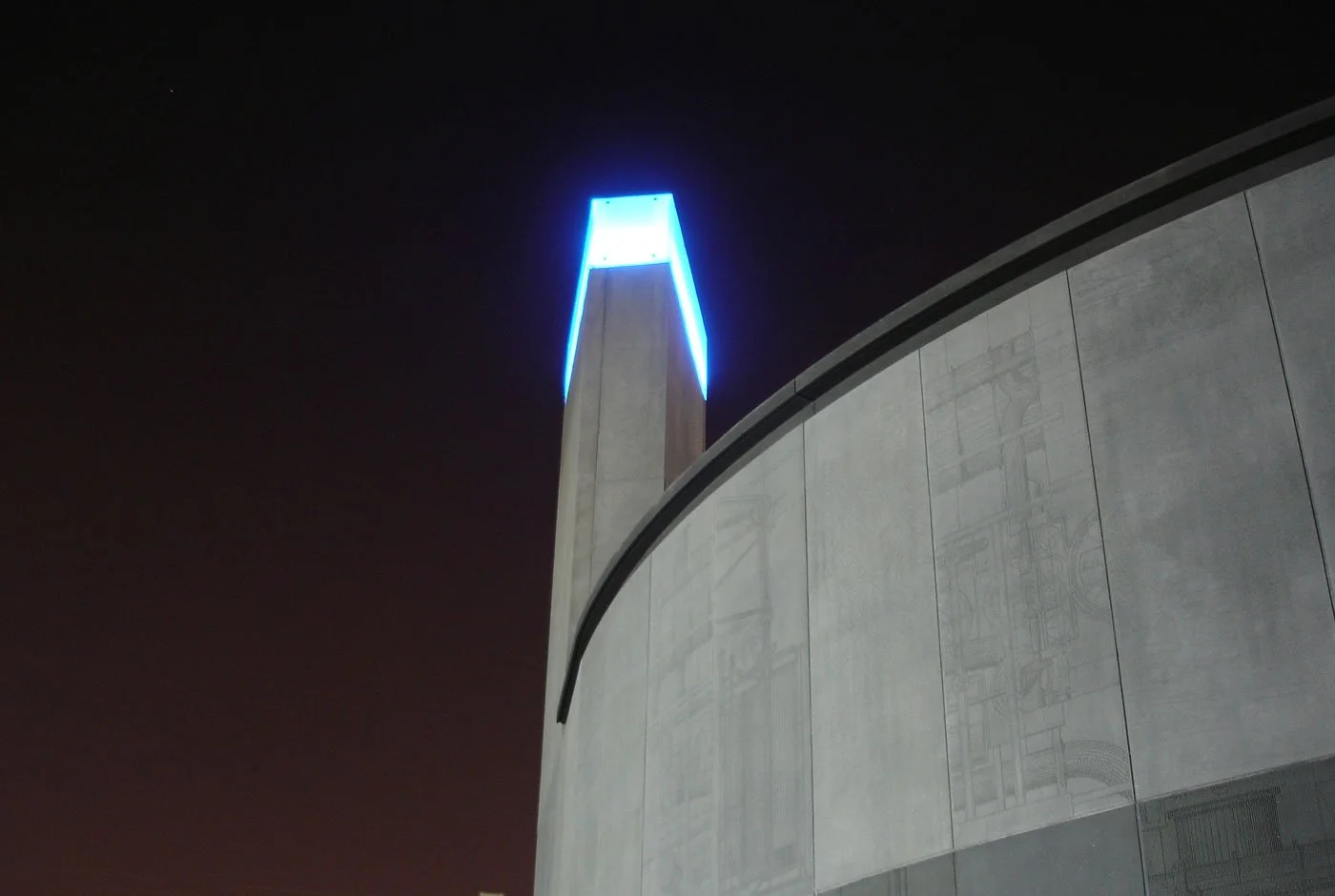
The facility’s perimeter is wrapped in 6-metre-high pre-cast concrete panels, some of which are engraved with enlarged versions of Sir Joseph Bazalgette’s Victorian engineering drawings, connecting the site’s future-focused purpose with London’s historic infrastructure legacy
The circular ring-shaped building has a green roof and attractive tall flue surmounted by a blue-lit light box, making it a landmark and nicely visible by travellers on the trains to the East of England.
The Architects Journal noted how ‘At Pudding Mill Lane, Lyall Bills & Young saved time and money by proposing a superstructure aligned with the cylindrical substructure. This alignment was integral to a convincing architectural concept and won the confidence of the practice's client, the ODA, and operator Thames Water…’
A Landmark That Glows
The station’s most visible feature is its glowing blue lantern, a glass-box light beacon that caps the ventilation tower. Serving both practical and symbolic roles, the lantern provides a wayfinding element visible across the Olympic Park and has become a quiet icon of the area’s transformation.
Celebrated Design, Lasting Impact
The project stands as a rare example of civil infrastructure designed with architectural intent. Delivered under the design-conscious Olympic Delivery Authority and an engaged Thames Water team, it reflects a collaborative commitment to quality in the public realm. It has even become a key reference project for future infrastructure work and as such has featured in a publication by the National Infrastructure Commission promoting the value of good design.
Quote…
“Pudding Mill Lane sewage pumping station embraces its function and adds architectural refinement.”
Felix Mara, Architects Journal
The details
PROJECT OVERVIEW
Client: Thames Water
Location: Queen Elizabeth Olympic Park, London
Completion: 2011
Building Type: Infrastructure – Foul Pumping Station
Contractor: Barhale & Hutton Construction
Value: Confidential
Photographs: Olympic Delivery Authority + LBY Architects
APPROACH & INFLUENCE
Project Type: Civic infrastructure / Olympic legacy
Design Approach: Function-led form, public art integration, heritage referencing
AWARDS & RECOGNITION
CEEQUAL Winner: Outstanding Achievement Awards 2010
Civic Trust Award 2012
New London Architecture Award 2011
PRESS COVERAGE
Blueprint Magazine 2009
Architects Journal: Footprint 2013
Architects Journal 2010
Building Magazine 2011
Concrete Quarterly 2012
RIBA Journal 2011
Water and Wastewater Treatment 2010
Infrastructure – The Value of Good Design 2018
(National Infrastructure Commission)
Where next?
-
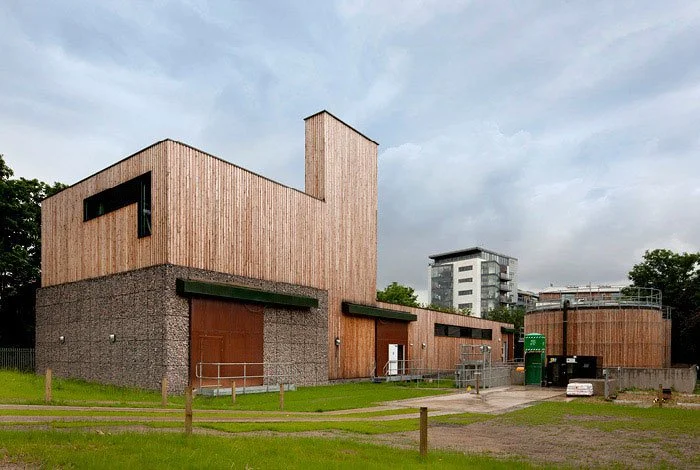
Old Ford Water Treatment Facility
Pioneering water reuse at the Olympic fringe
-
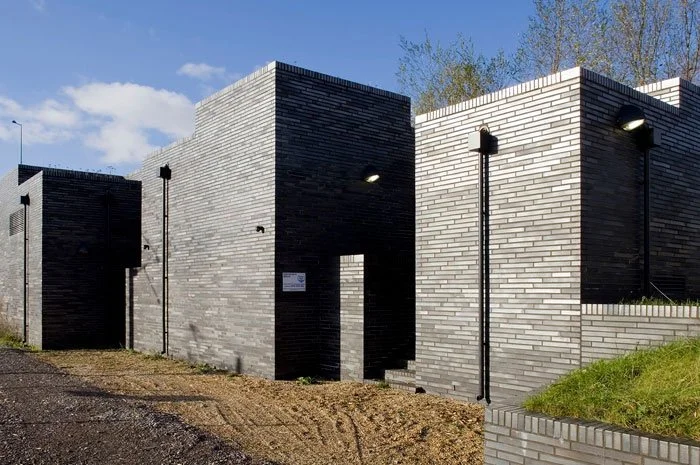
Stratford Box Pumping Station
Groundwater management meets sculptural design