
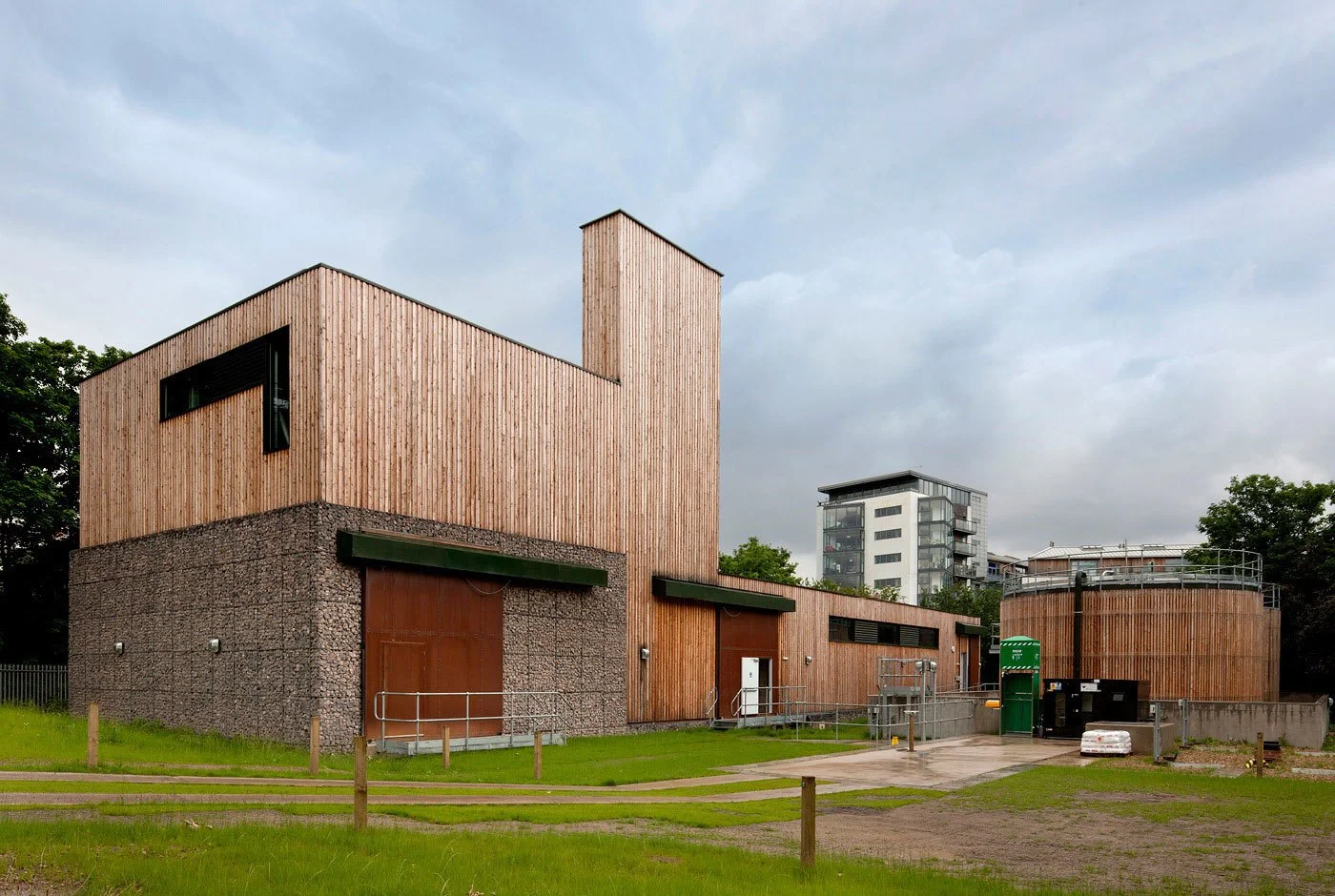
Old Ford Water Treatment Facility
Pioneering water reuse at the Olympic fringe
A sustainable treatment facility that transforms wastewater into a valuable resource while blending seamlessly into its woodland setting.
Located on the edge of the Queen Elizabeth Olympic Park, the Old Ford Water Treatment Facility is the first plant in the UK to treat wastewater for non-potable reuse on this scale. Developed by Thames Water and designed by LBY Architects, the facility recycles wastewater from the Northern Outfall Sewer to produce clean water for irrigation, toilet flushing, and cooling systems within the Olympic Park and surrounding developments.
A Model of Urban Sustainability
This landmark scheme plays a crucial role in reducing potable water use in dense urban environments. Key features include:
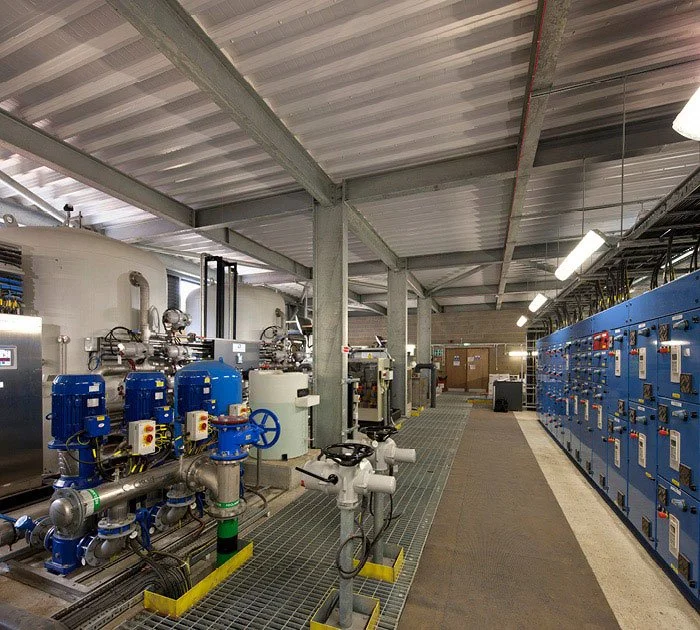
State-of-the-art membrane bioreactor (MBR) technology
Ultraviolet and chlorination disinfection systems
Pumping stations and distribution infrastructure integrated on site
Public realm improvements and secure landscaping
The design accommodates complex plant requirements while also engaging with its prominent canal-side location.
Architecture with Environmental Intent
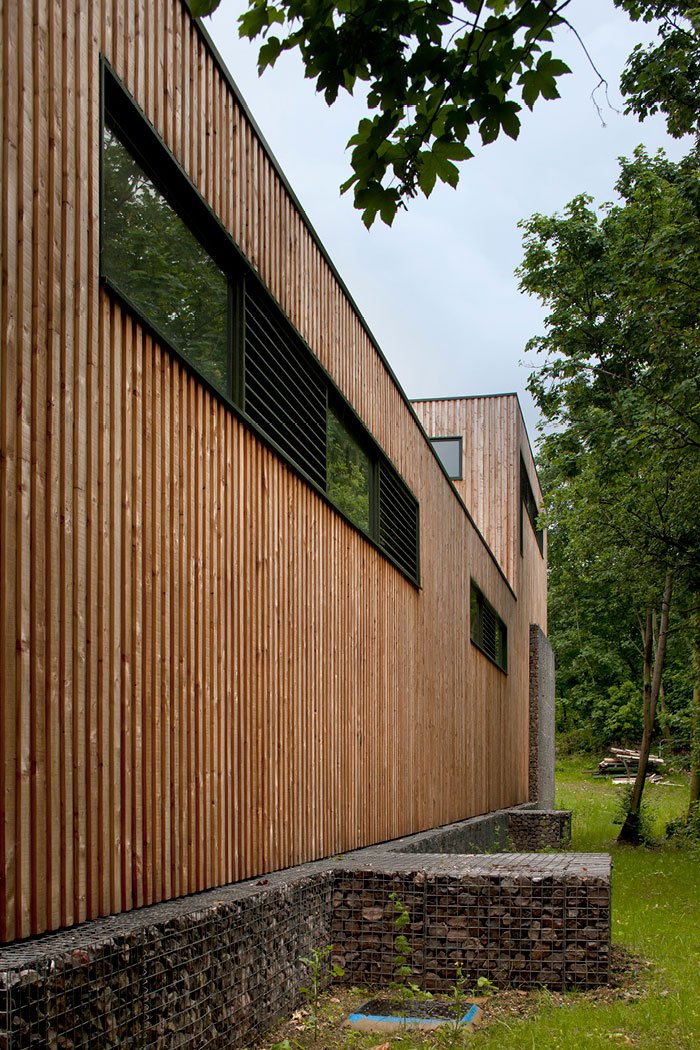
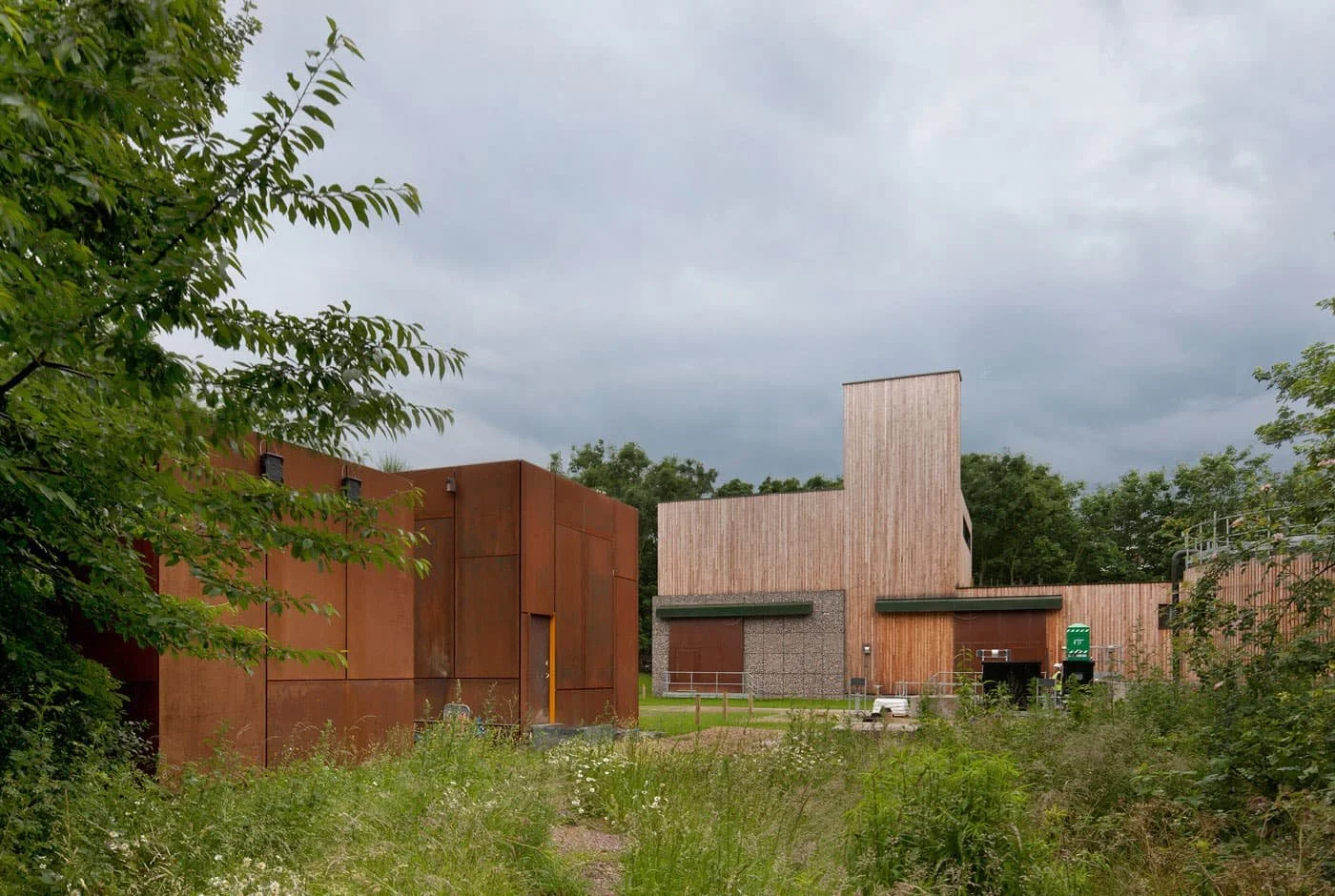
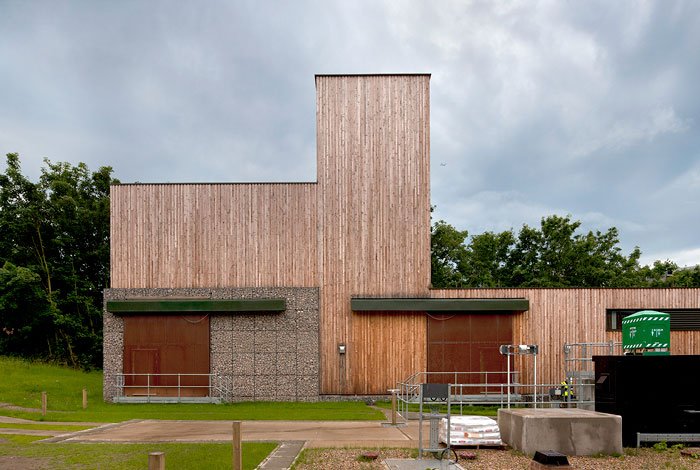
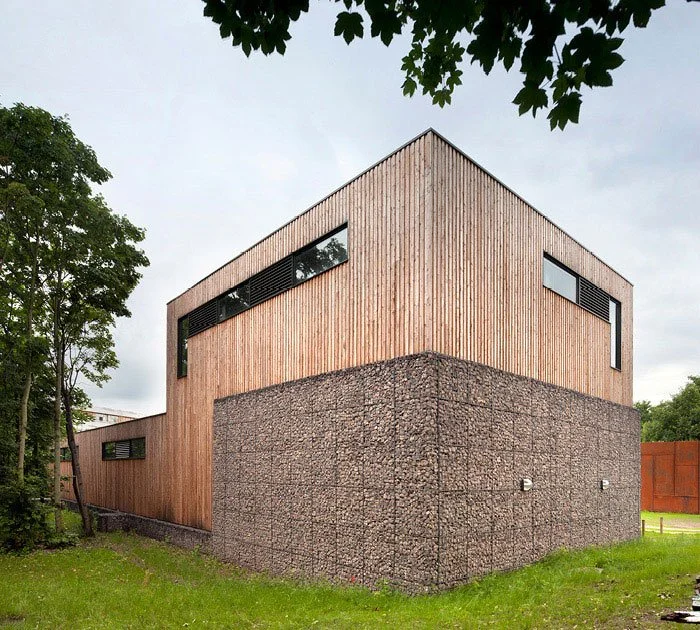
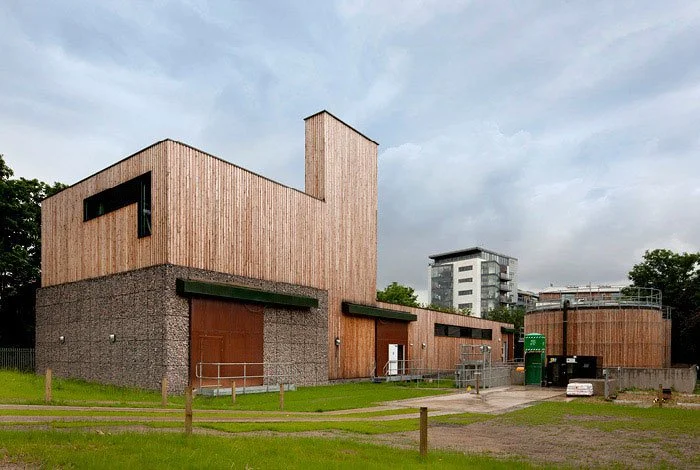
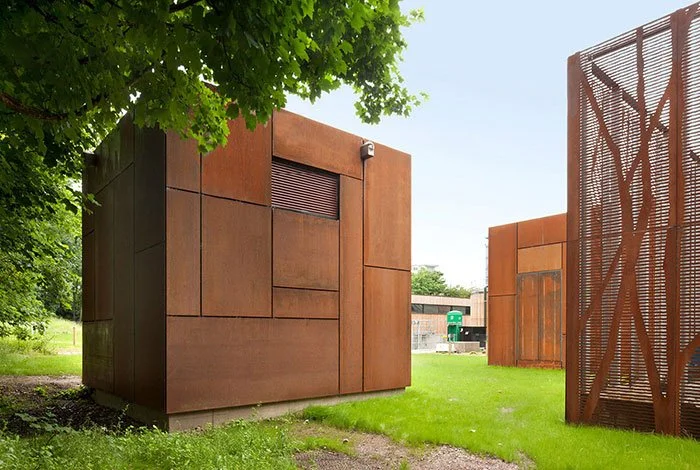
The building form responds to its operational needs and industrial context. Clad in timber with Corten steel metal panels, the architecture expresses function without mimicry. The base walls are stone-filled gabion baskets.
Simple massing and natural materials minimises visual impact in a woodland context
Durable, low-maintenance finishes reduce lifecycle costs
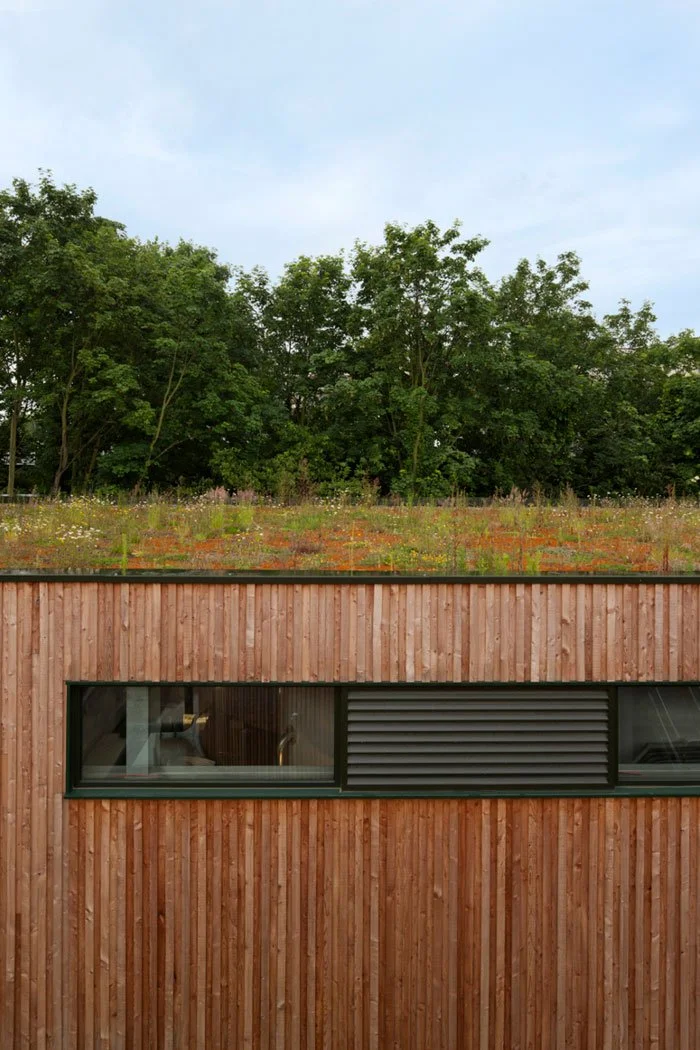
A green, biodiverse roof
Environmental graphics and interpretive panels inform the public of the building’s purpose
Materials were carefully chosen to reduce environmental impact and for their sensitivity to the setting, including the stone filled gabions that provide a robust finish that is not only highly resistant to flood damage, but that also provides a habitat for insects.
The project became a key part of the sustainability narrative for the London 2012 Games legacy and continues to operate as a working example of circular infrastructure.
Turning Waste into Resource
In 2014, the London Legacy Development Corporation reported that the Old Ford water recycling plant recycled:
41,000 m3 for water to irrigate the Parklands
4,200 m3 were recycled at the Copper box – the 7,000 seats sport venue – representing 19% of the site water consumption.
The plant maintained a 40% water reduction in potable water use.
The scheme is estimated to provide a 58% reduction in the use of tap water at the park.
Quote…
“LBY’s secluded water recycling plant in the Olympic Park sets the standard for similar utilities”
Amanda Birch, Architects Journal 2012
The details
PROJECT OVERVIEW
Client: Thames Water
Location: Stratford, East London
Completion: 2012
Building Type: Water Treatment Facility
Contractor: Black and Veatch
Value: £1m
Photographs: Morley von Sternberg
APPROACH & INFLUENCE
Project Type: Infrastructure and sustainability facility
Design Approach: Functional modernism, urban context responsiveness, environmental storytelling
PRESS COVERAGE & ARTICLES
Architects Journal 2012
Where next?
-
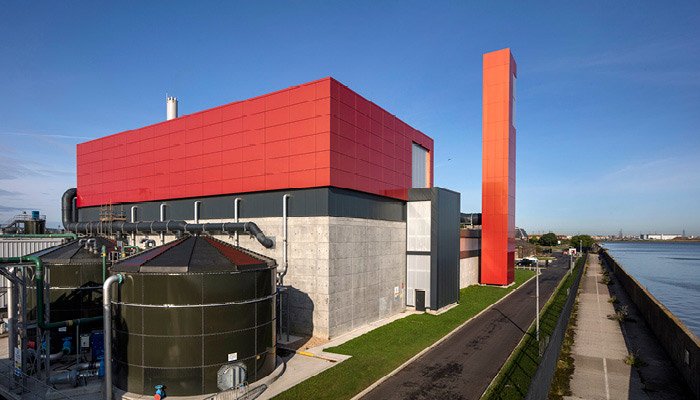
Crossness Sludge Cake Building
Balancing functionality, heritage and innovation
-
Old Ford Pumping Station, London
Shaped by function