
GenZero Prototype Schools
A blueprint for the future of sustainable schools
Revolutionising school design with low-carbon innovation and adaptable learning spaces.
Commissioned by the Department for Education (DfE), GenZero represents an ambitious research project redefining sustainable school construction. Developed between 2020 and 2021, the project delivered two detailed prototype secondary schools alongside a flexible kit-of-parts construction system designed for adaptability, sustainability, and scalability across the UK.
A Holistic View of Sustainability
From the outset, the project brief emphasised sustainability beyond traditional measures of energy efficiency. Grounded in the DfE’s three core design standards: creating a healthy, productive environment; ensuring safety, security, and sustainability; providing appropriately sized spaces, the GenZero prototypes integrate holistic strategies throughout the building and landscape.
Key elements delivered by GenZero include:
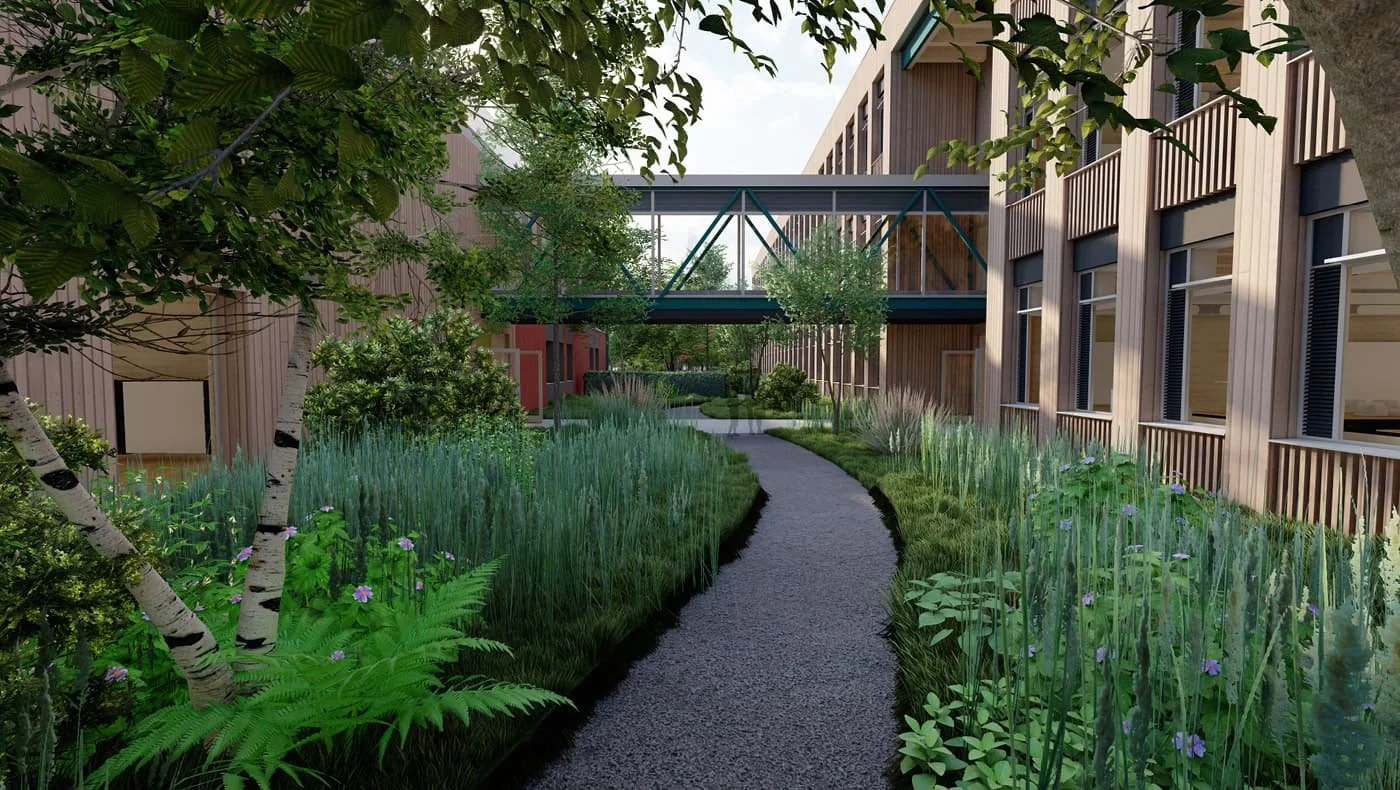
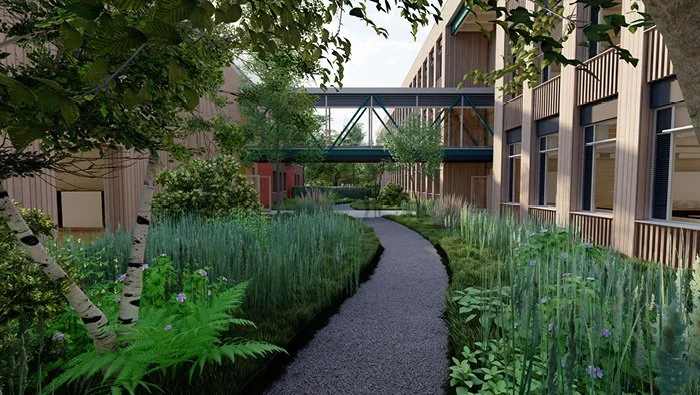
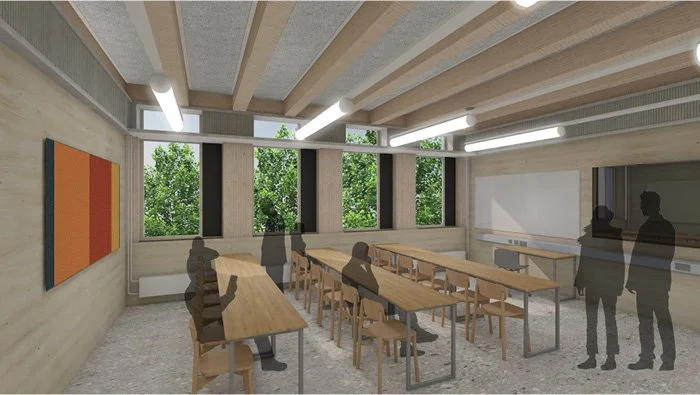
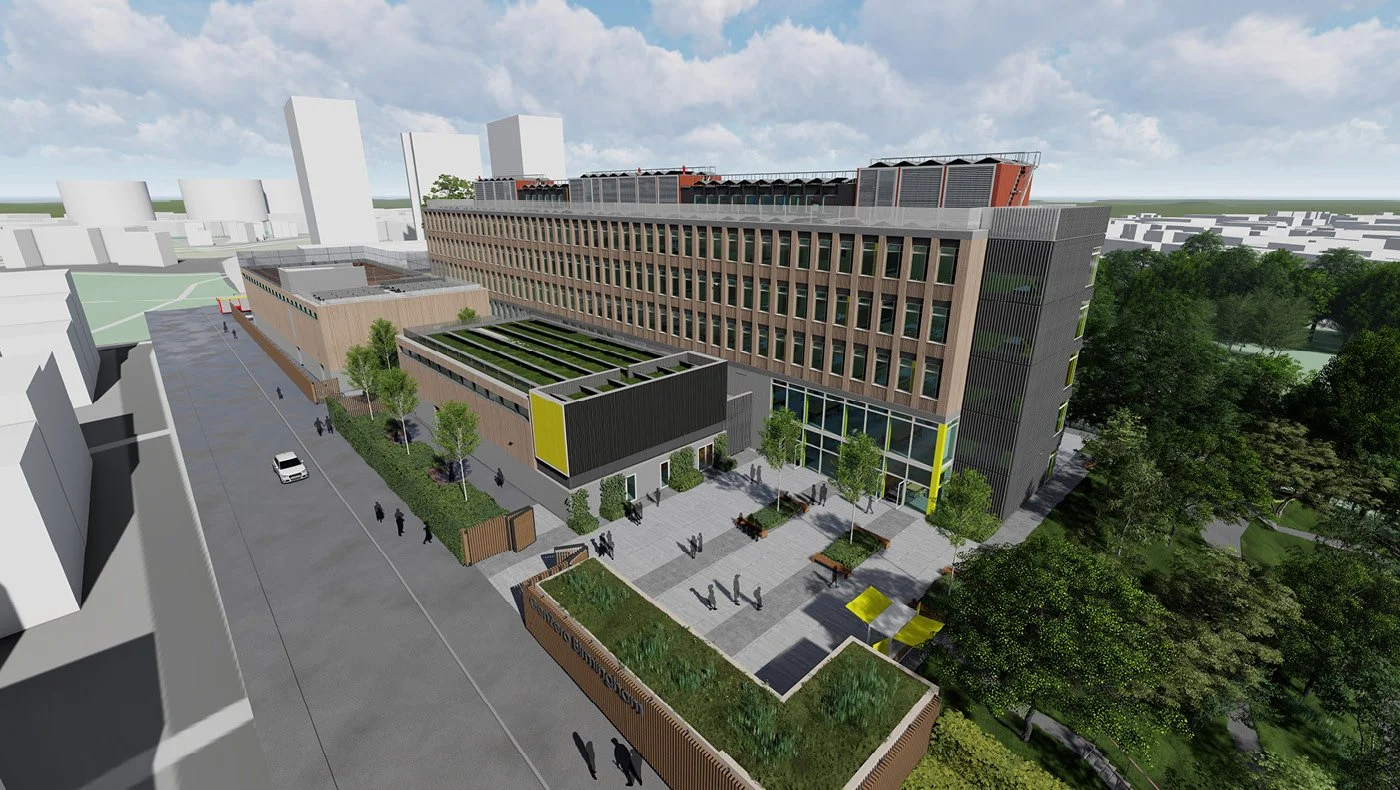
Enhanced user wellbeing: Interiors and external spaces are thoughtfully designed to foster connections with nature. Views from the building are maximised, alongside outdoor learning, activity, and amenity spaces set within a lush, protective landscape that wraps closely around the buildings and encourages users to go outdoors.
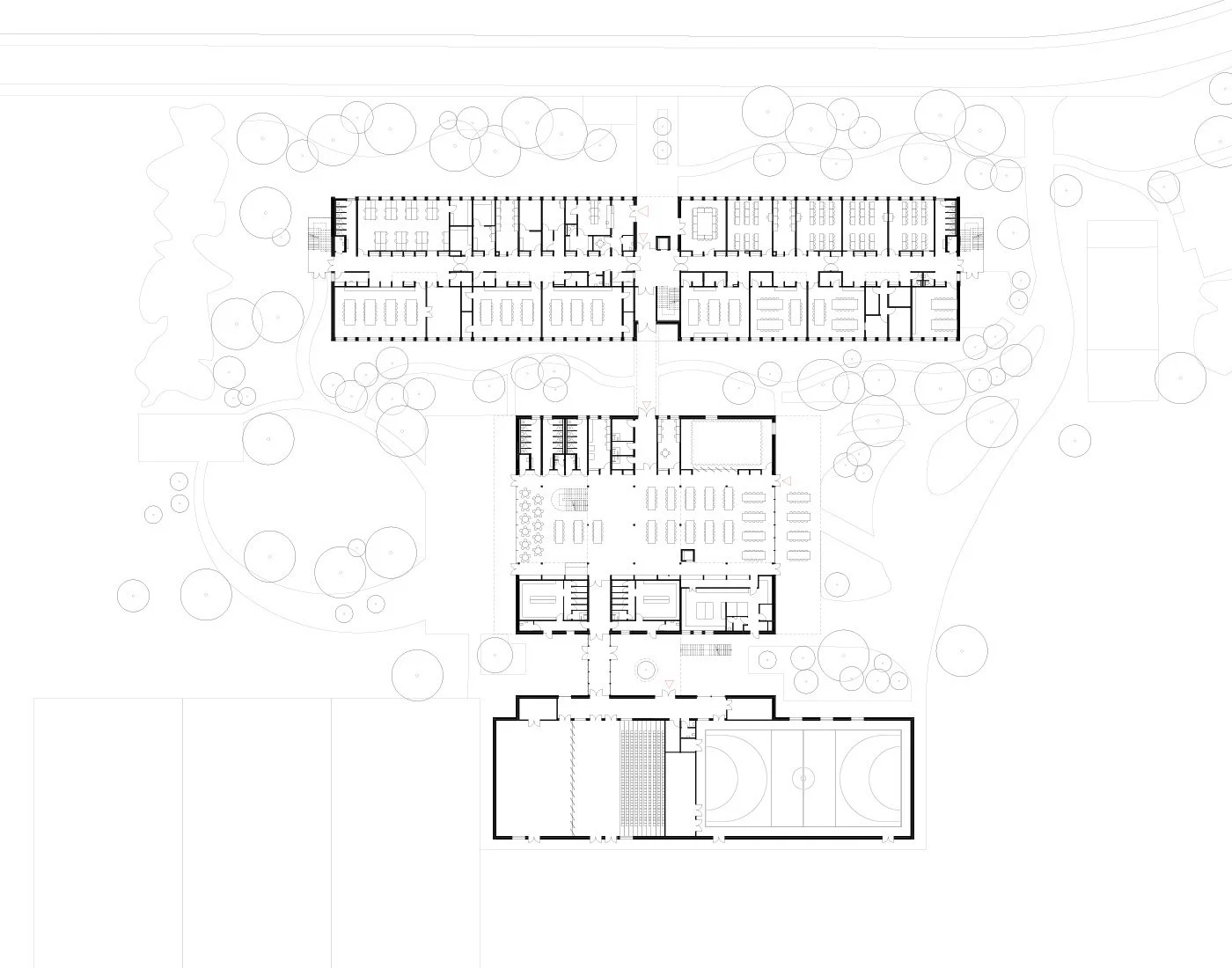
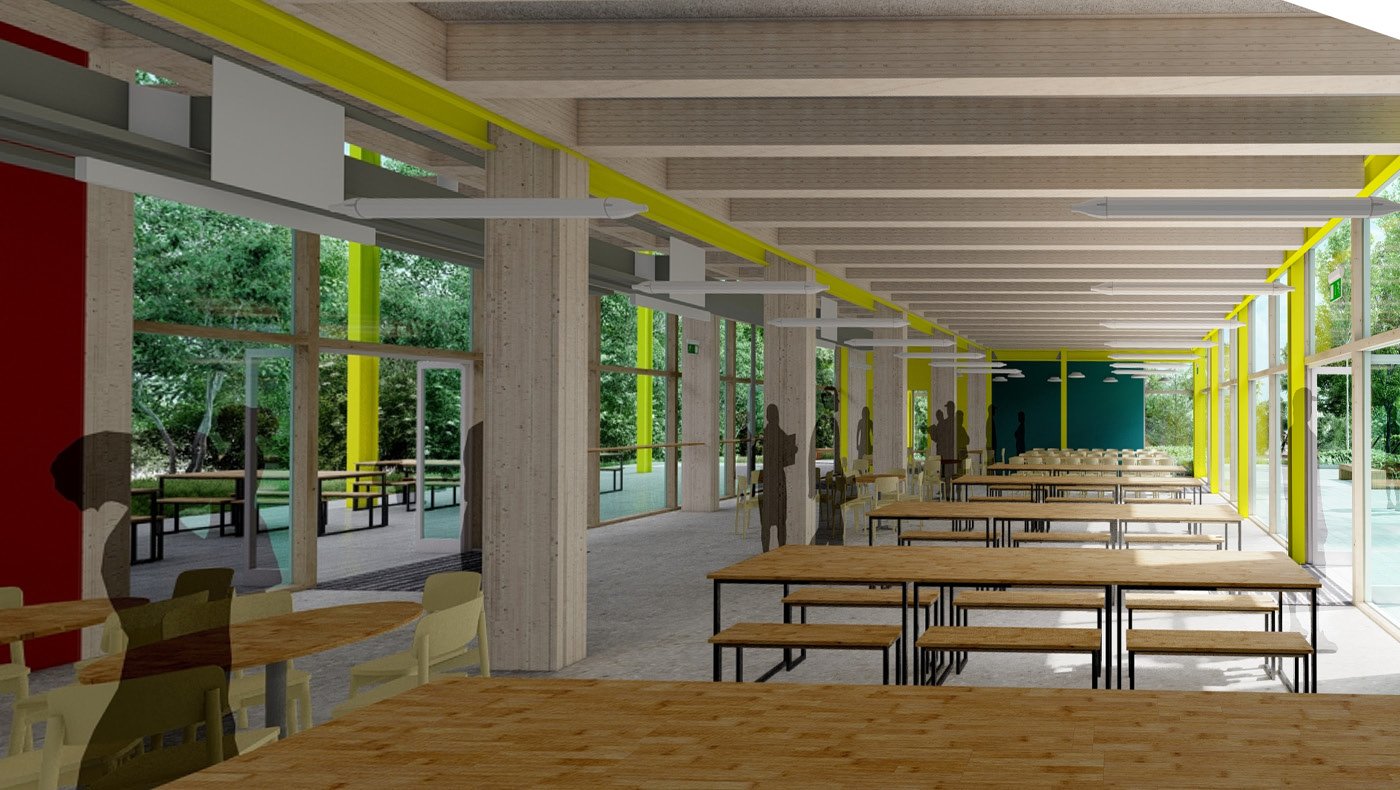
Social core: Central to each school prototype is a multifunctional ‘Commons’ area, housing dining, library, and IT spaces, accessible both during and beyond school hours, reinforcing a sense of community.
Environmental innovation: The buildings utilise natural cross-ventilation systems with heat recovery, generous ceiling heights, and evenly distributed windows for daylighting, all designed to minimise energy use and maximise occupant comfort.
Long-Life, Low-Carbon Solutions
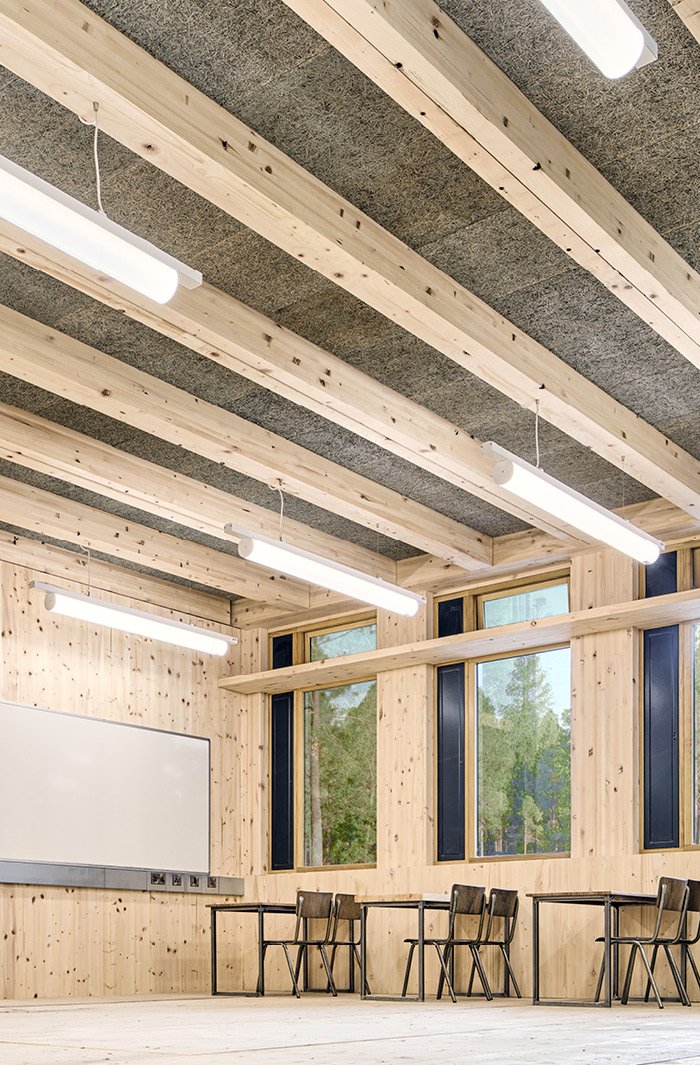
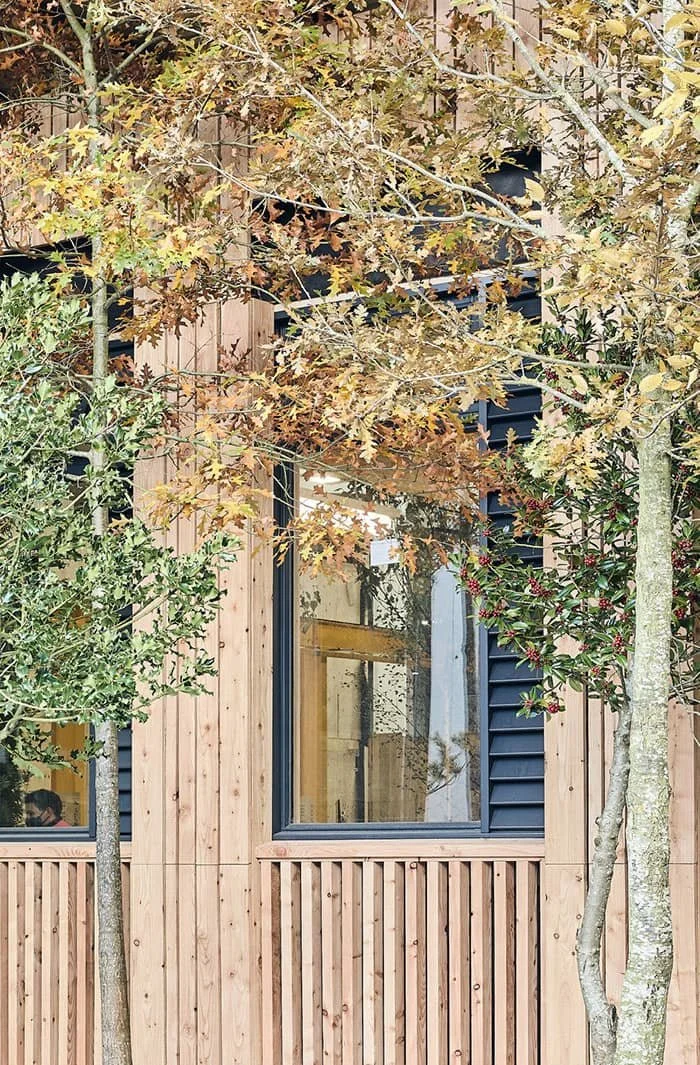
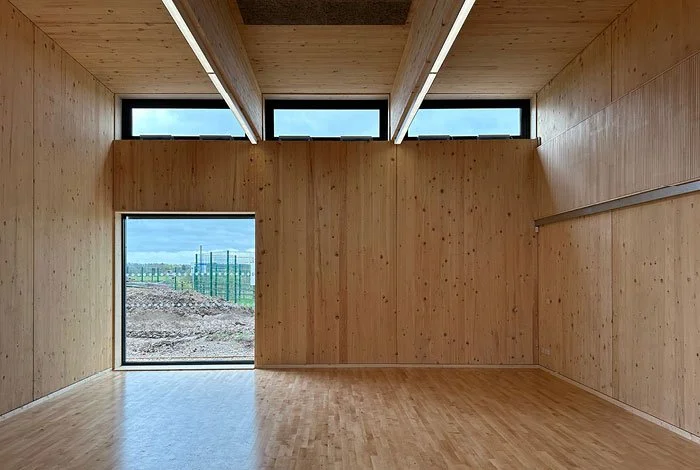
GenZero extensively utilises sustainably sourced UK timber, exposed in building interiors, delivering robust, visually appealing environments that foster biophilic responses from occupants. The adaptable kit-of-parts approach incorporates:
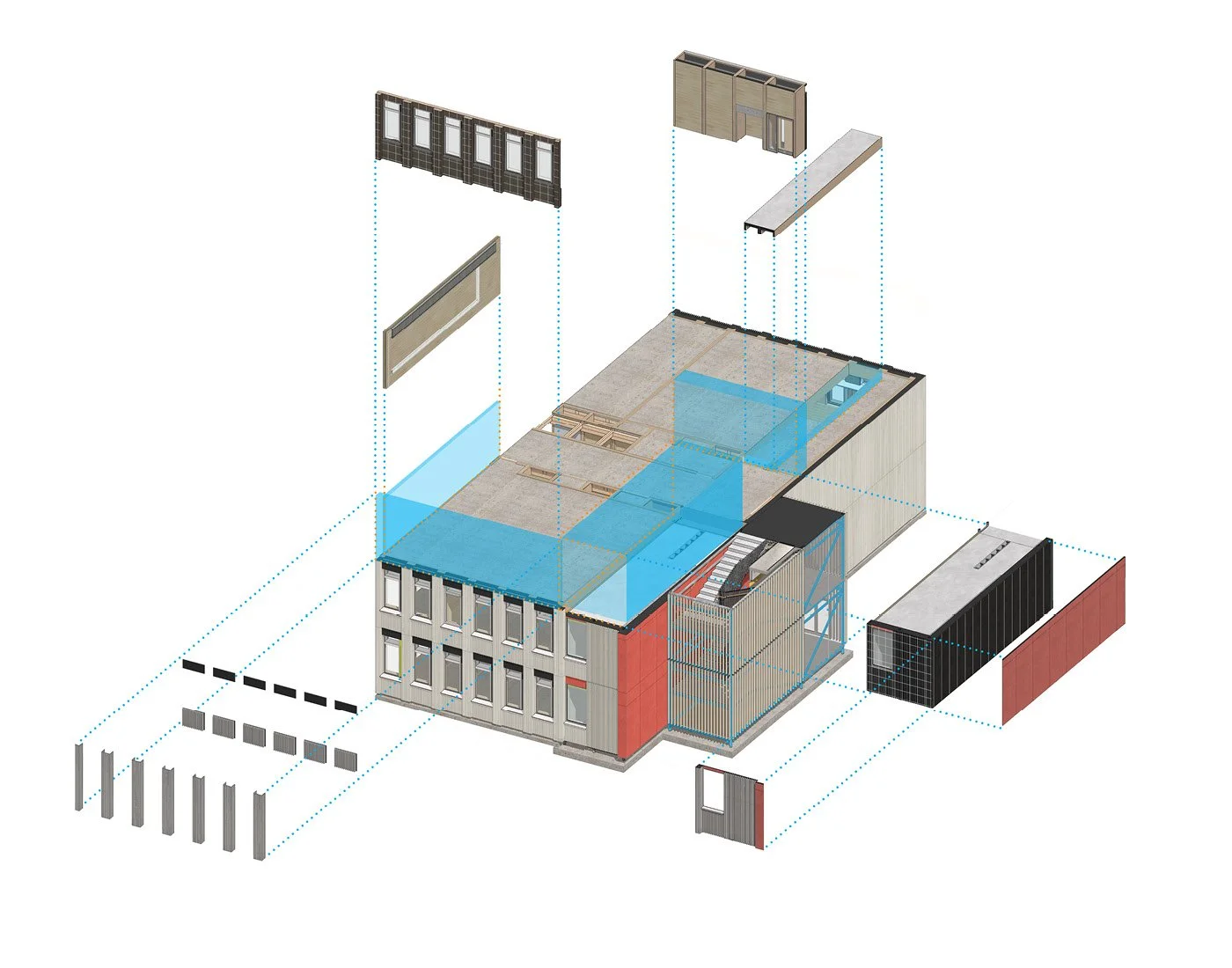
Standardised yet flexible design: A rationalised 1.8m planning grid simplifies manufacturing, maximises future adaptability, and ensures consistency across projects.
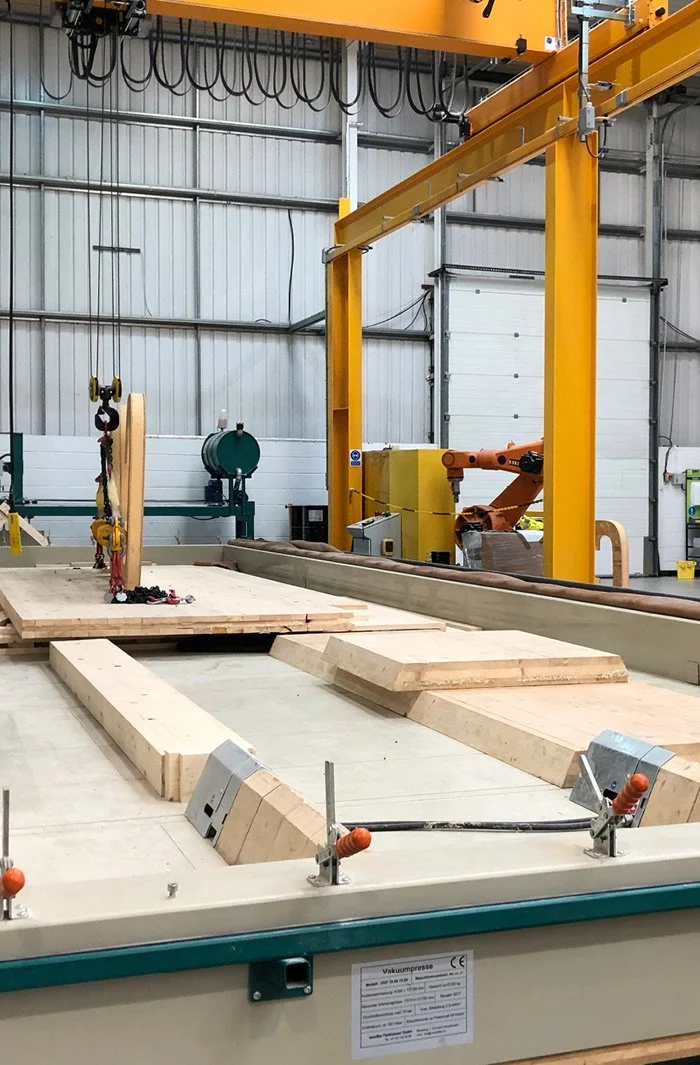
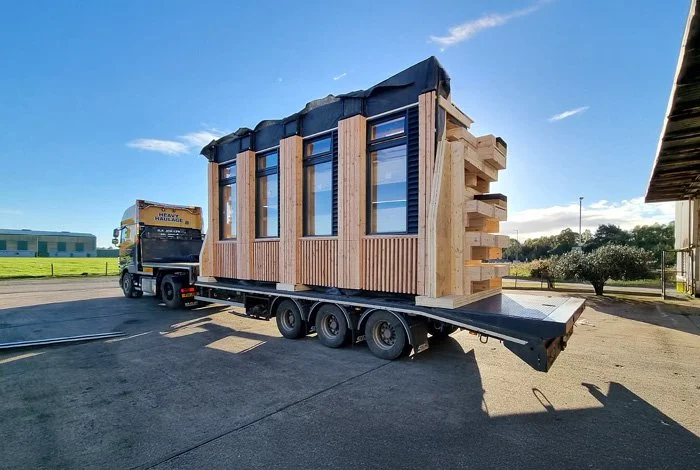
Offsite precision: Components are engineered for rapid assembly and minimal waste, with panelised and volumetric modular construction employed where most appropriate, all supported by digital construction technologies including advanced information modelling.
Award-Winning Innovation
This groundbreaking approach to sustainable school construction has received recognition for innovation and quality, setting a new standard for educational environments nationwide and is the basis for the DfEs ongoing pathfinder sustainability projects.
“GenZero represents a significant leap forward in sustainable education design, showcasing how thoughtful architecture can positively impact environmental and educational outcomes.”
Premier Construction Magazine
Quote…
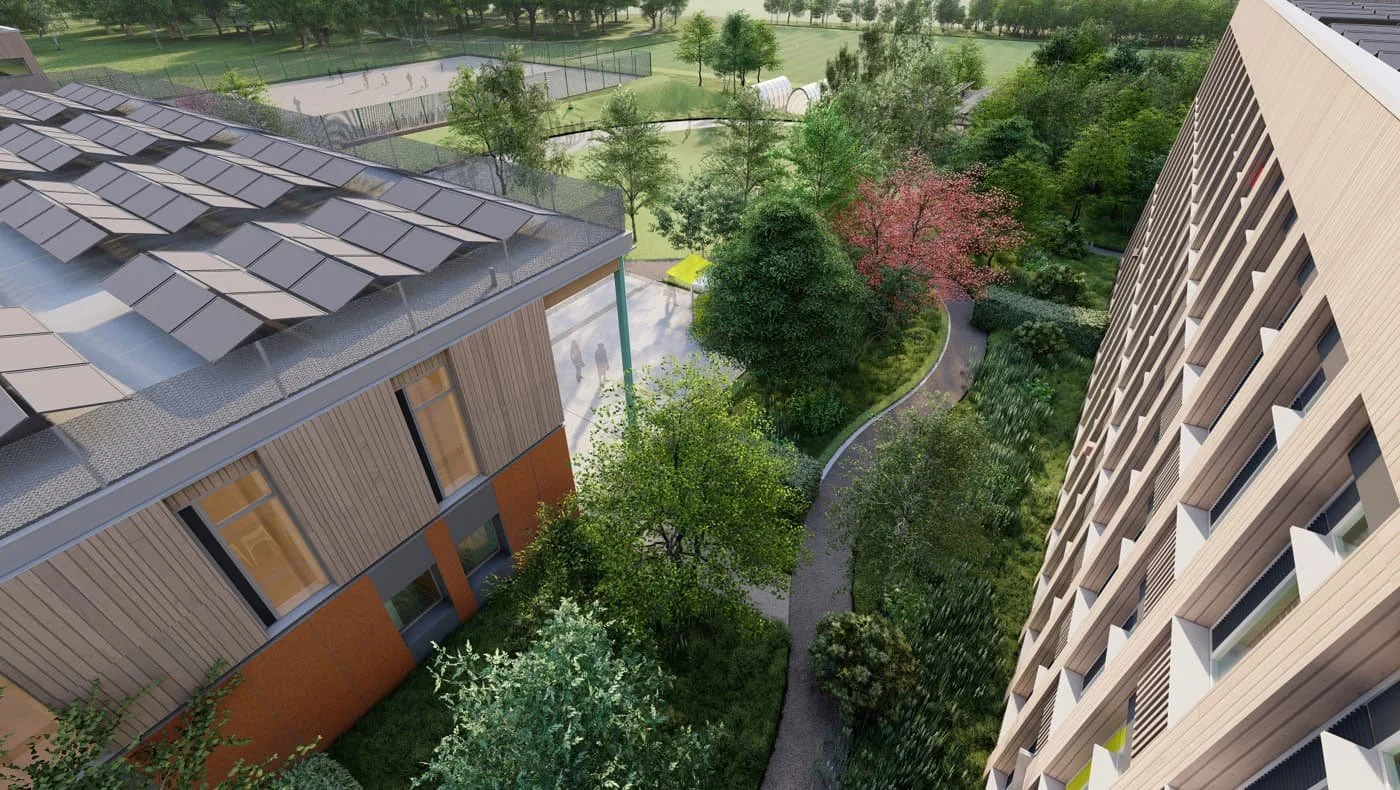
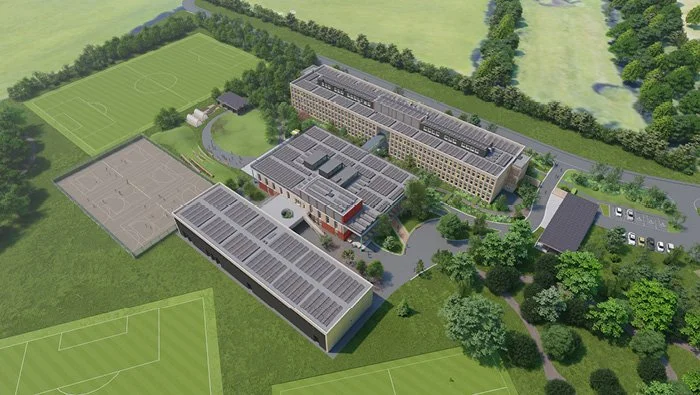
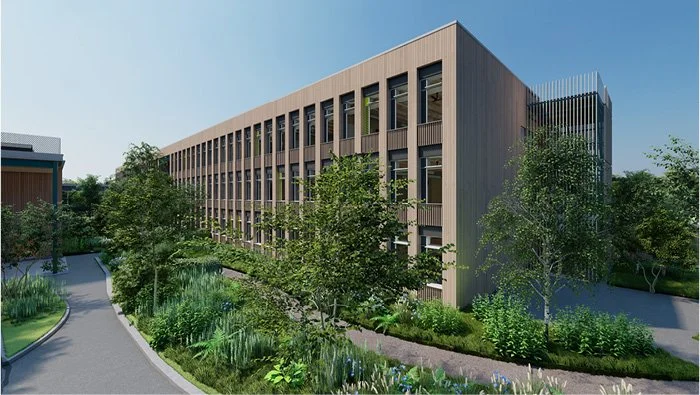
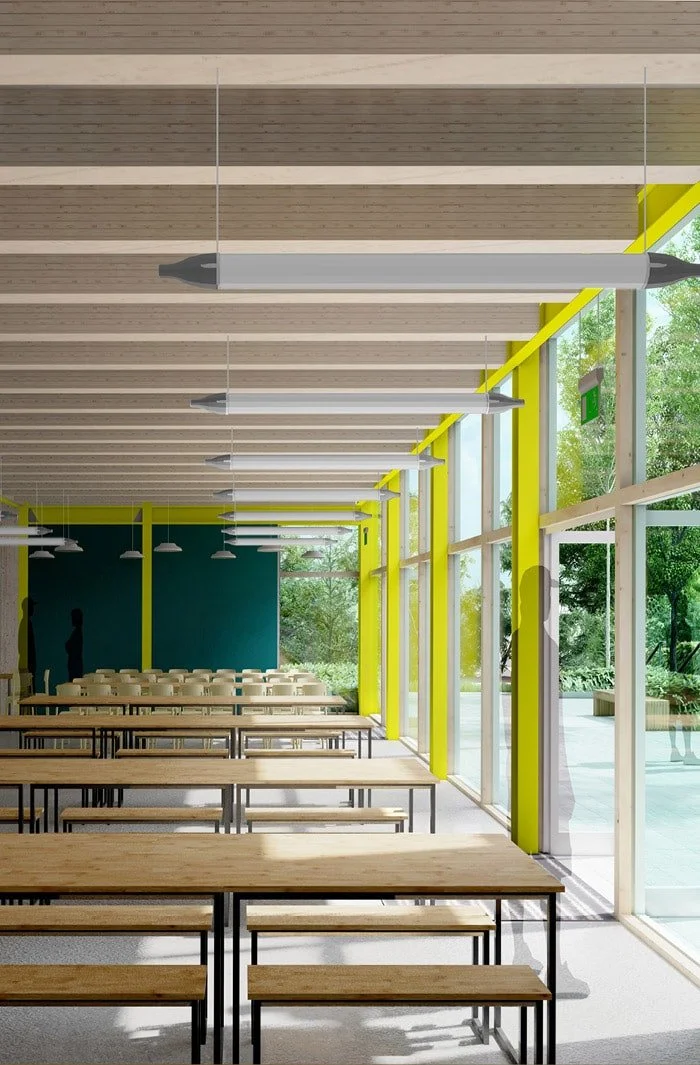
Designed to be ultra-low carbon in construction and zero carbon in use
Lean structural design: 35% less timber used when compared to a typical mass timber school
Negative carbon superstructure: Embodied carbon of 1,200t versus sequestered carbon of 1,700t
Construction: 365-367 kgCO2/m2 for Stage A at practical completion (excluding sequestration)
Whole life: 221 kgCO2/m2 after sequestration has been accounted for and operational carbon negated by onsite PVs
Very low energy intensity in use: 42 kWh/yr/m2 GIA
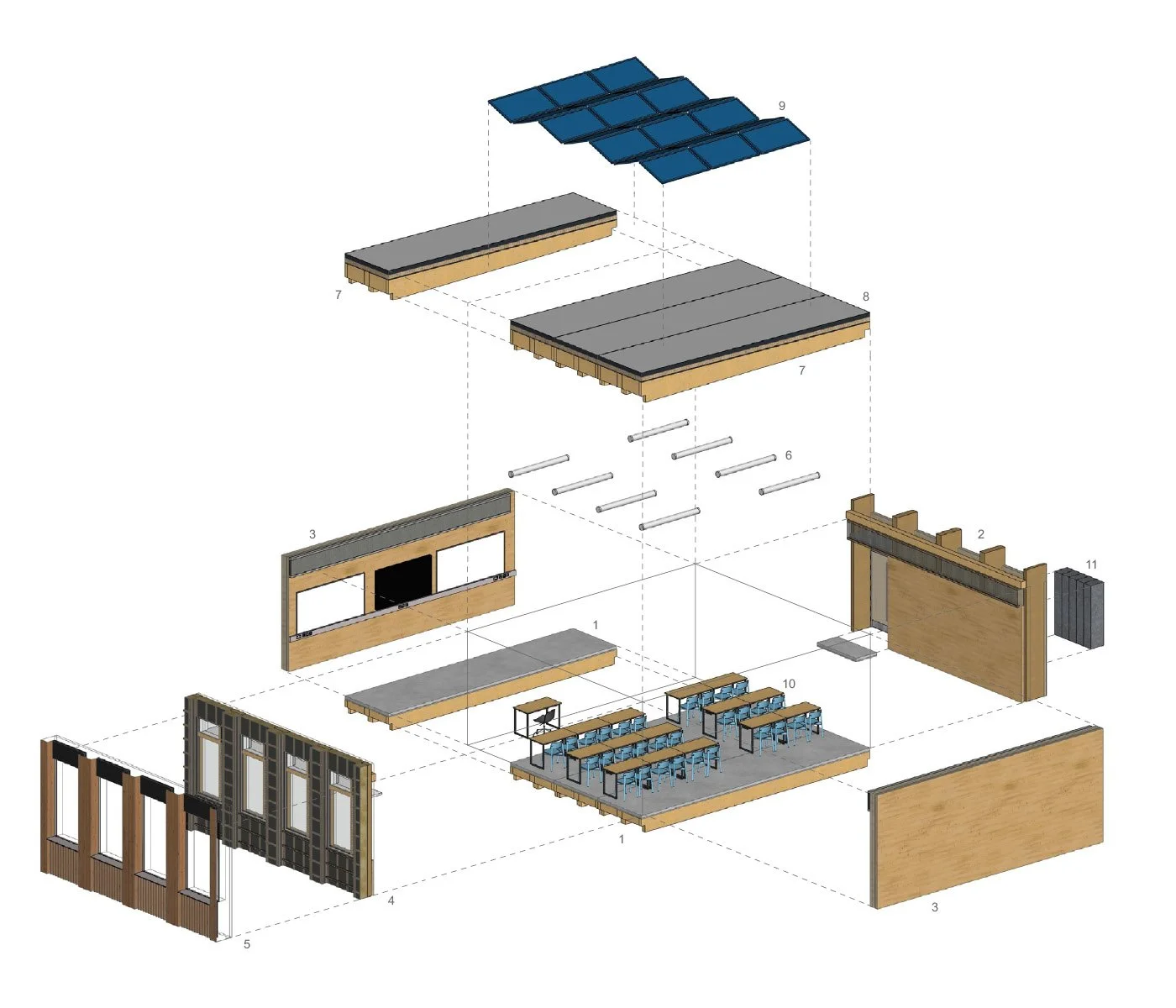
Key to Diagram:
1. Composite timber and concrete floor planks
2. Spine wall with services
3. Timber dividing wall with acoustic panels
4. External wall component with windows
5. Timber cladding and window cills
6. Lighting
7. Timber roof planks
8. Wood fibre and cork roof insulation with roof finish
9. Solar PV panels
10. Timber and lacquered steel furniture
11. Lockers in corridor recessed into spine wall
The details
PROJECT OVERVIEW
Client: Department for Education (DfE)
Location: Prototypes for future schools in England
Completion: 2021 (RIBA Stage 4)
Building Type: Education; Secondary Schools
Contractor: Ecosystems Technologies (Prototype Classroom)
APPROACH & INFLUENCE
Project Type: Sustainable educational prototype designs and construction innovation
Design Approach: Low-carbon construction, scalable sustainable solutions, biophilic design, timber design, lean material use
IMAGE CREDITS
Photos: Andy J Mather Photography; Ecosystems Technologies
Visualisations: Ares Landscape Architects
Diagrams and illustrations: LBY Architects
KEY DATA
Client team: Department for Education partnering with Construction Innovation Hub and Innovate UK
Internal Area (GIFA):
Unconstrained site prototype B1 = 9,950sqm
Constrained site prototype B2 = 10,380sqm
Site Area:
Unconstrained site B1 = 89,400sqm
Constrained site prototype B2 = 11,000sqm
AWARDS & RECOGNITION
Sustainable project of the year Graphisoft Awards 2021
Best BIM Project Construction Computing Awards 2021
Featured at COP26 Construction Scotland Innovation Centre
Showcased at a DfE 2022 Event Natural History Museum
PRESS COVERAGE
RIBA Journal Article May 2021
Building Magazine Article August 2021
RIBA Journal Article November 2021
Platform, Common Ground A printed pamphlet for the Department for Education May 2022
AEC Magazine July 2022
Premier Construction Magazine Article July 2022
Transforming Timber Blog November 2022
RIBA Community Schools Book First published July 2023
FE Week Article May 2025
LINKS
Where next?
-
DfE/MTC Education Sandpit Research Project
Prototype learning spaces, built for testing and transformation
-
London Academy of Excellence, Tottenham
Reimagining learning spaces with minimal environmental impact