
Expertise: Sustainability
Creating responsible architecture that adapts, endures, and respects the environment

Sustainability is not just about reducing carbon emissions. It’s about creating spaces that are functional for people, honour the environment, and endure over time.
At LBY, we take a holistic approach, weaving sustainability into every aspect of our work, from the materials we specify to the way buildings evolve.
Our approach centres on finding intelligent, elegant solutions that minimise impact while maximising potential. It is about making the right choices, not just the easy ones, leaner structures, smarter energy use and designs that adapt, endure, and inspire.
At LBY, sustainability is not a checklist; it is a mindset. Every detail serves a purpose, from how materials age gracefully, to the ways our buildings breathe, grow, and evolve over time.
Generous Yet Efficient
Sustainable design should use as little resource as possible for maximum effect, encompassing lean, low-carbon design with less material use in construction and low energy in use, all supported by attention to the design of the building fabric.
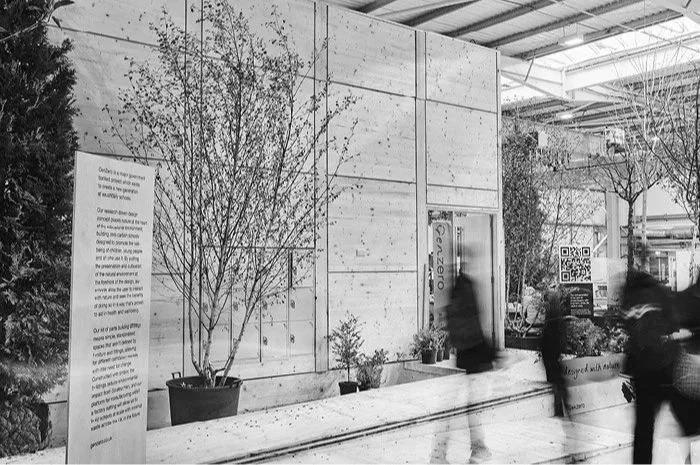
For GenZero we invented a spine wall component that allows efficient placement of ventilation ductwork for low fan speeds and local heat recovery, reducing energy use. This also creates space for a line-loaded structure, which in turn leads to a very lean foundation design, dramatically reducing the use of concrete and the overall carbon footprint.
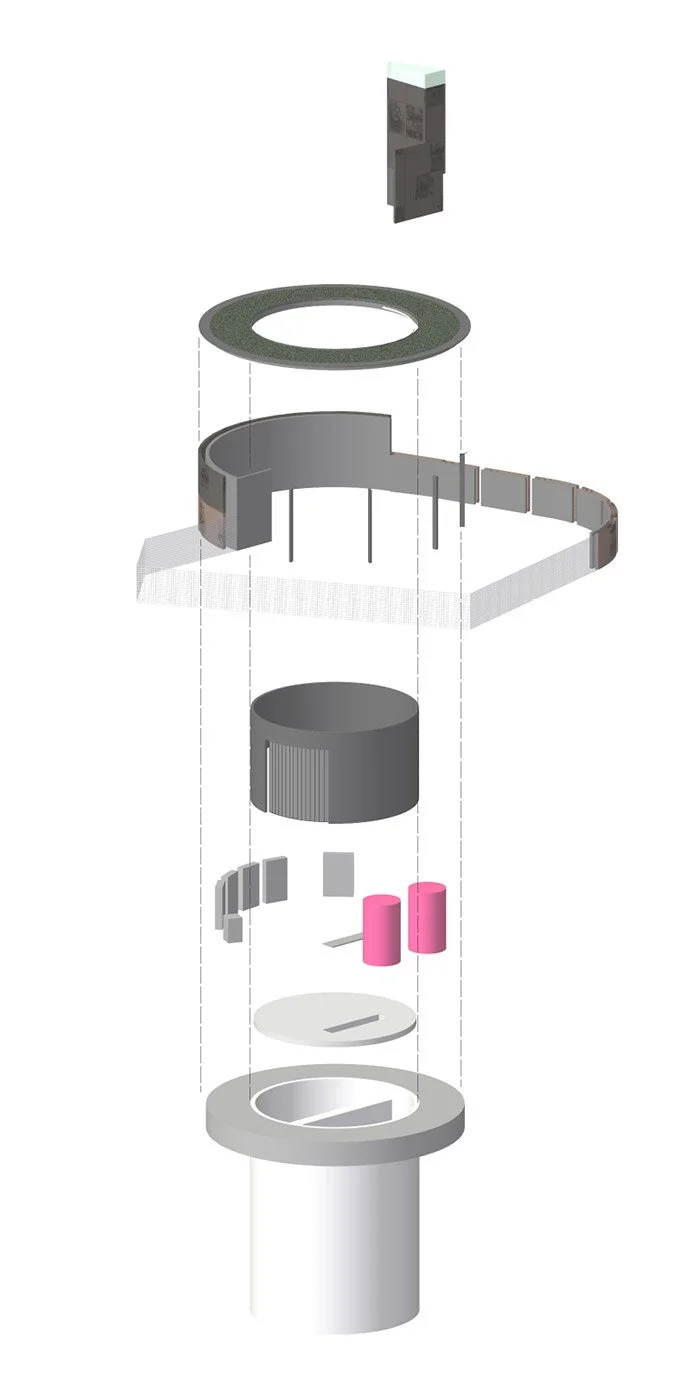
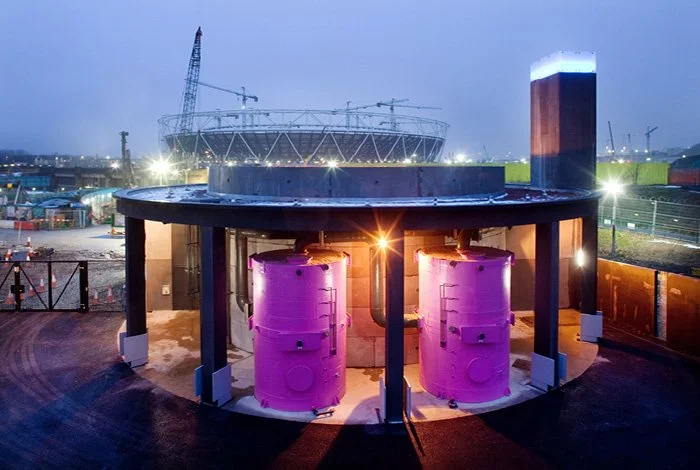
Pudding Mill Pump Station
The circular shape of Pudding Mill Pump Station was chosen to ensure it could be built off the stabilising ring for the sewer chamber below, completely saving the need for separate concrete foundations.
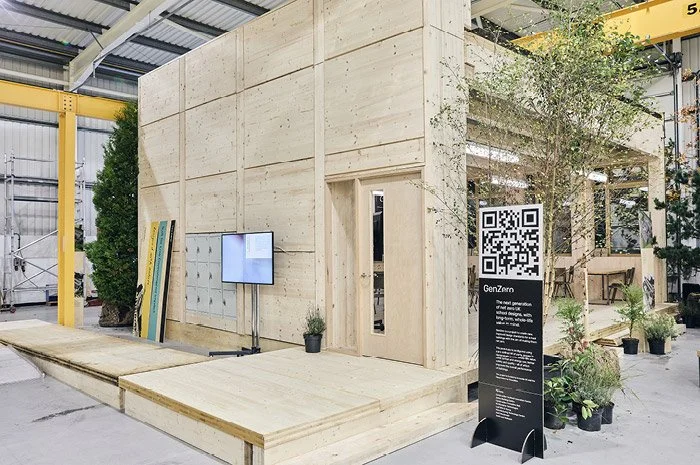
GenZero
Biophilic Design
Surrounding people with natural materials and embedding buildings in a protective landscape that people can easily access should be a fundamental of sustainable design. By also maximising opportunities for views out over landscaping from indoors we can promote well-being through connection to nature. We are pioneers in Biophilic design and are working at the cutting edge of this exciting new development in architecture and landscape design.
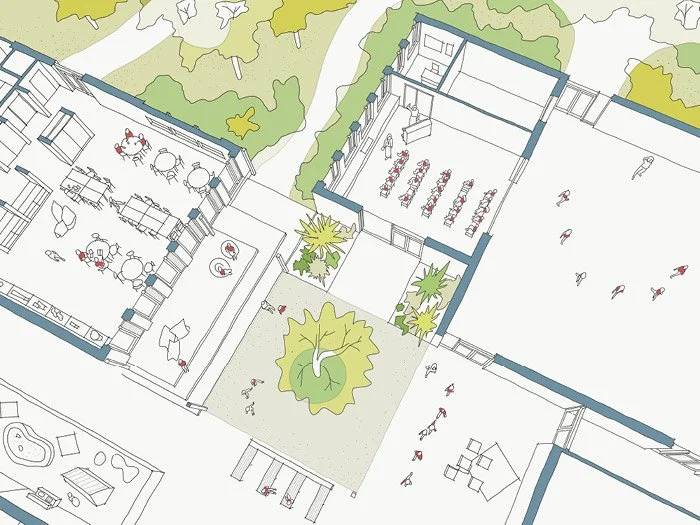
St Mary’s Biophilic Primary School
Our groundbreaking concept designs for the UKs first Biophilic primary school St Mary’s in Derby helped shape the Department for Education’s Biophilic brief for new schools, with the buildings embedded in a landscape that weaves around them and a generous canopy that provides sheltered outdoor circulation and play space.
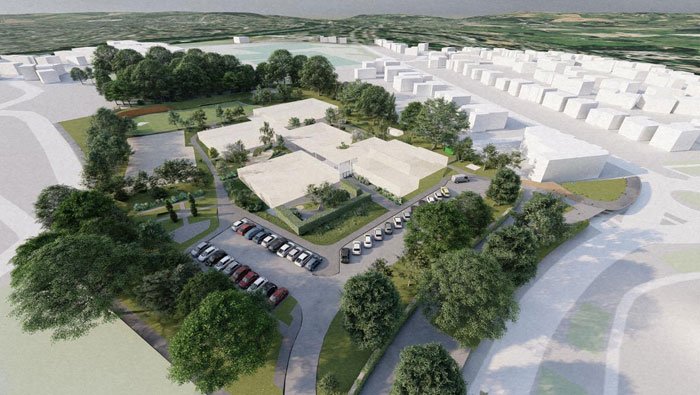
Nature isn’t an afterthought –it’s a fundamental part of how people thrive.
Designed for Manufacture (DfMA)
We know how to maximise the benefits of off-site building manufacturing to reduce waste and improve efficiency. We are experts in the development and design of ‘kit of parts’ component systems using panelised and volumetric construction and have a deep technical understanding of the factory processes of a number of leading manufacturers.
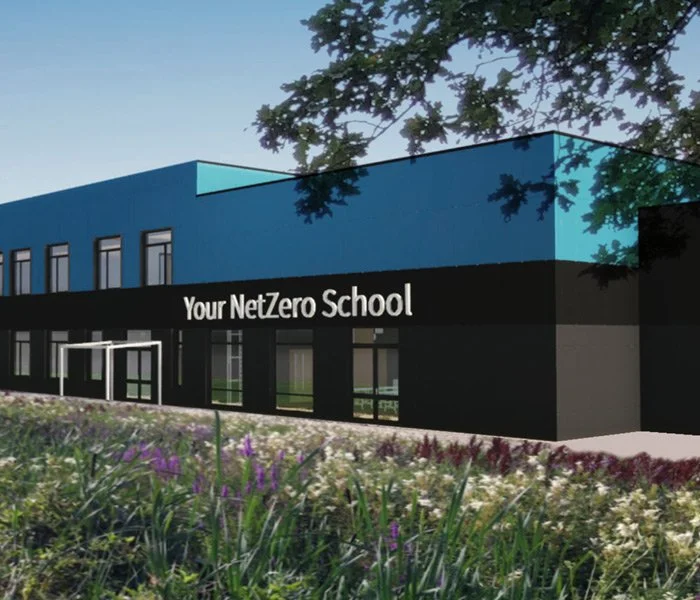
Schoolhaus
DfE/MTC Sandpit Research
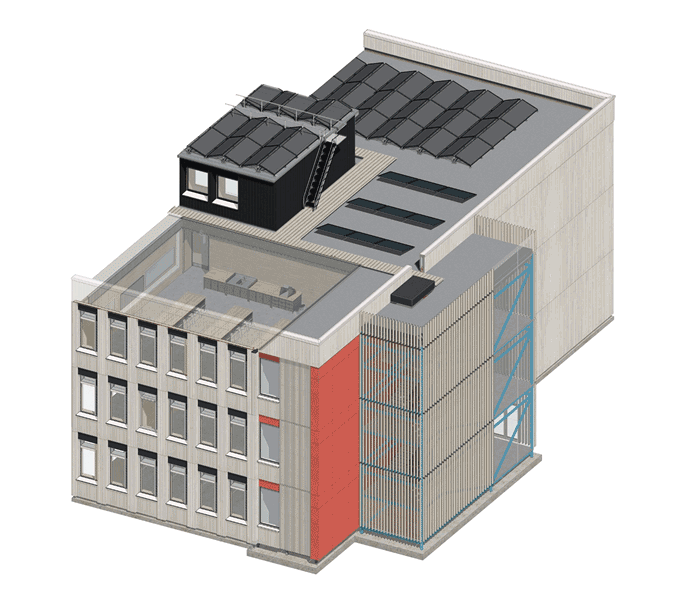
Our Education Sandpit building in Coventry was developed to test the latest off-site construction technologies and to demonstrate how different component typologies can be mixed and matched.
Working with Netzero buildings, we developed a new panellised component system for their Multi-storey Schoolhaus that helped them win first place on the Department for Educations Modular Framework.
Circular Design
By using materials that can be recycled or re-used and simple detailing that allows for disassembly, Circular Design is a fundamental part of our new-build process. We also look for opportunities to adapt existing buildings, components, and materials wherever possible, maximising the carbon already invested and reducing waste.
London Academy of Excellence
For our LAE Tottenham project we worked closely with the client and specialist suppliers to re-use many components for the previous fit out including floor finishes, doors and ironmongery, glazed partitions, acoustic panelling and sanitaryware, significantly the carbon footprint of the building as well as construction costs.
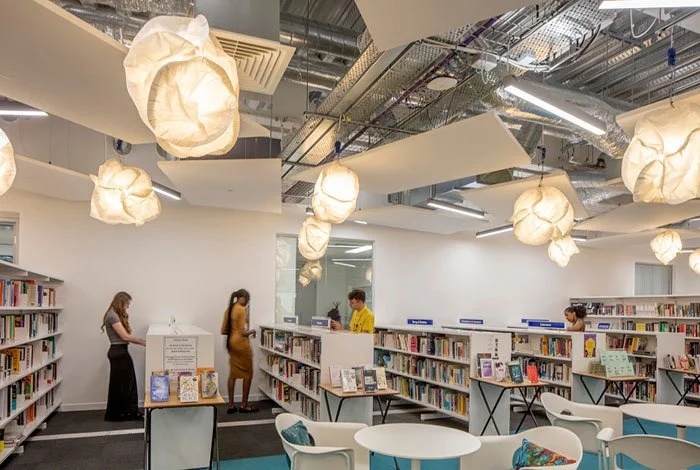
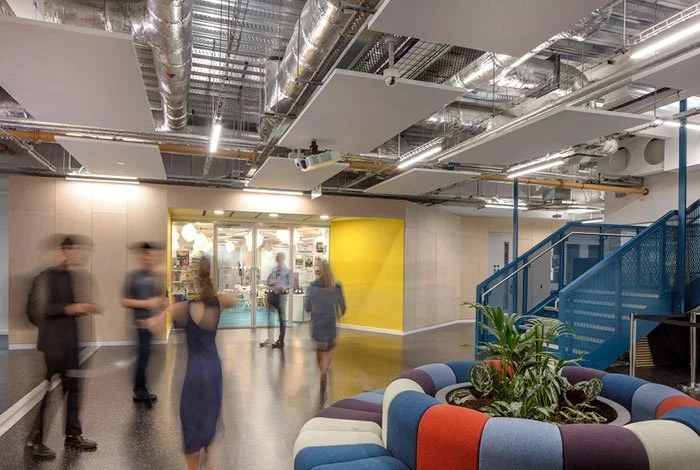
We create buildings with second lives, designed to adapt, reuse, and endure.
Designed to Last
We believe that robust materials and in-built flexibility are key to ensuring environments are comfortable and attractive, so that users are encouraged to keep our buildings and adapt them long term, maximising the benefit of the carbon invested in them.
Our Moulton College Student Residential scheme features exposed brickwork interior walls in student rooms, circulation and shared living spaces for the ultimate in attractive but robust finishes, with a bold interior paint scheme to compliment the natural finishes.
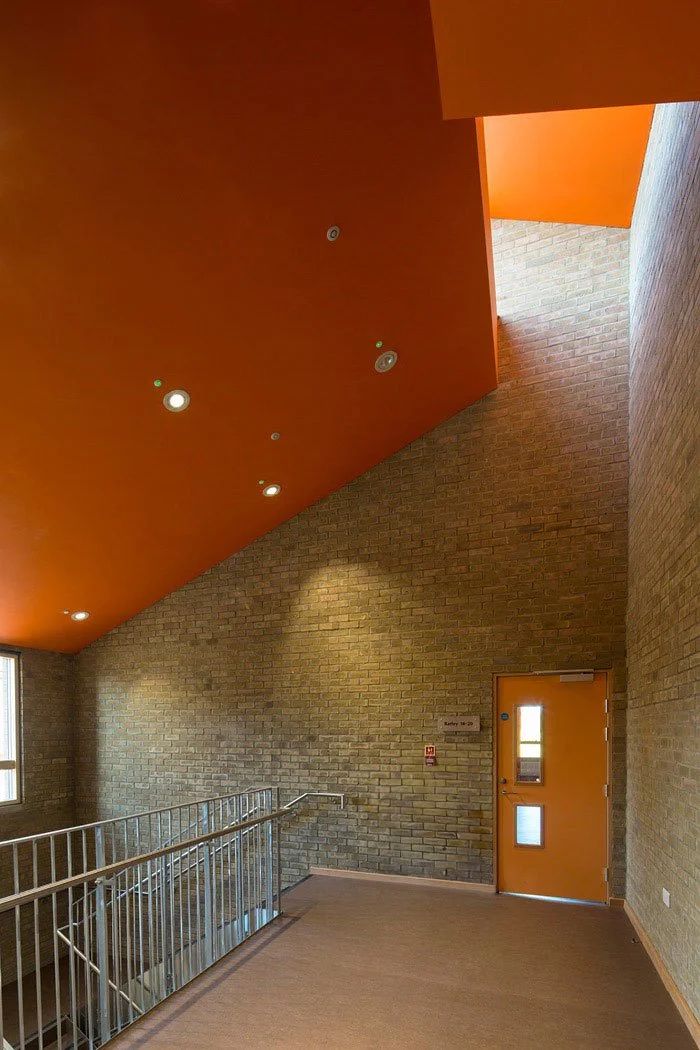
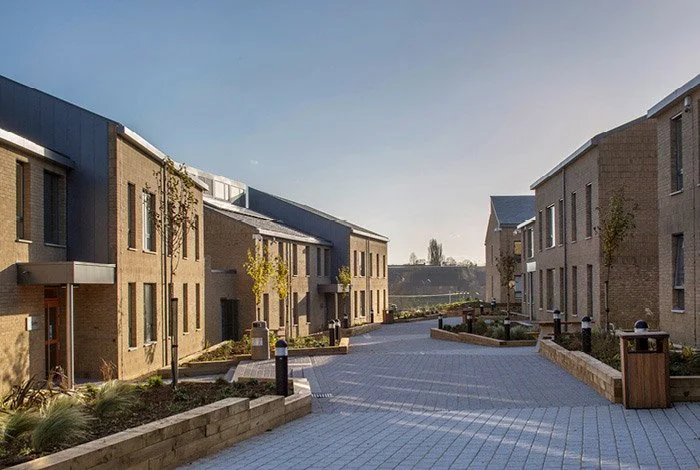
Moulton College Student Housing
Adaptation
We ensure that our buildings are flexible and agile enough to accommodate changing patterns of use and that they are highly adapted or easily adaptable to the further effects of climate change.
Standardised Accommodation
Working closely with the Department for Education on their Standardised Accommodation project, we have helped to develop and refine a set of three dimensional spatial standards for flexible buildings, that will be applied to all future Government funded schools in England and Wales.
These standards support natural cross flow ventilation and anticipate future changes to the way buildings will be serviced, to ensure they can be further adapted to climate change and emerging technologies at the appropriate time.
Low Carbon, Whole-Life Thinking
It is not enough to simply ensure buildings are low carbon in construction. We known that a whole life approach is needed, bringing together the whole toolkit of sustainability strategies outlined above and often leaning into our expertise in low carbon timber construction. This is how we ensure our buildings are truly sustainable in the most holistic way possible.
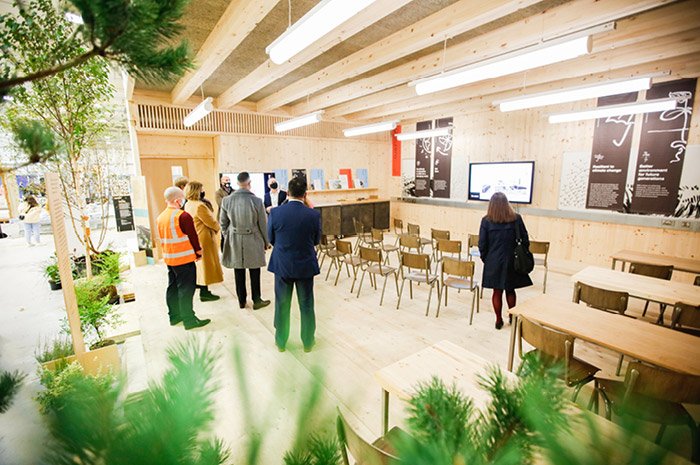
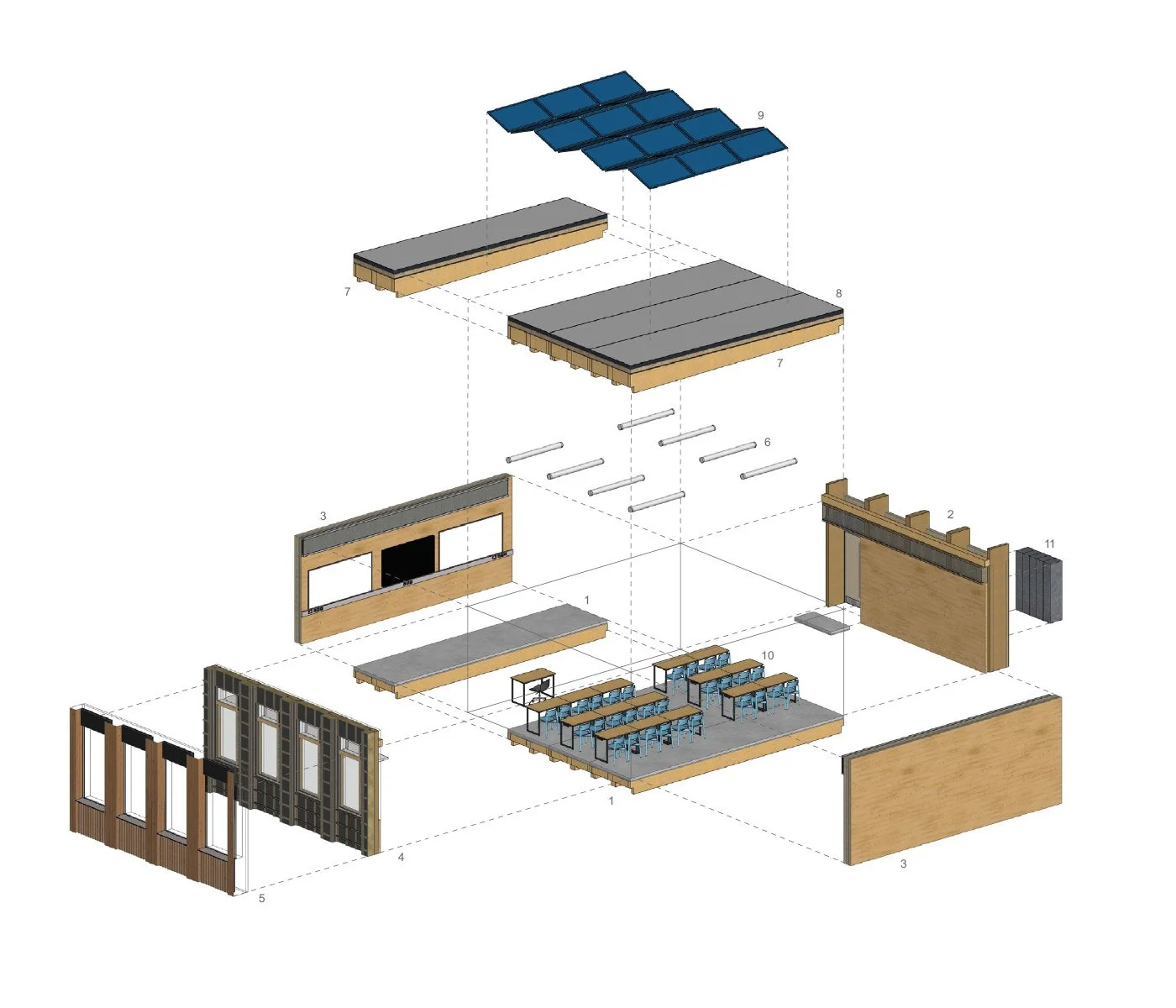
COP 26 Prototype Classroom
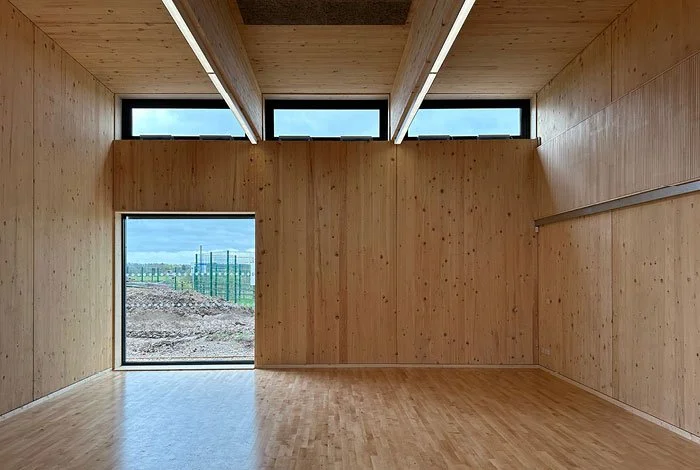
The design for our Prototype Classroom for COP 26 was based on the development of an innovative timber based component system, with a very lean design, utilising 35% less timber than a typical CLT building and resulting in ultra low carbon in construction, whilst providing a robust and biophilic interior with no paint or plasterboard finishes.
We ensure our buildings are truly sustainable in the most holistic way possible.